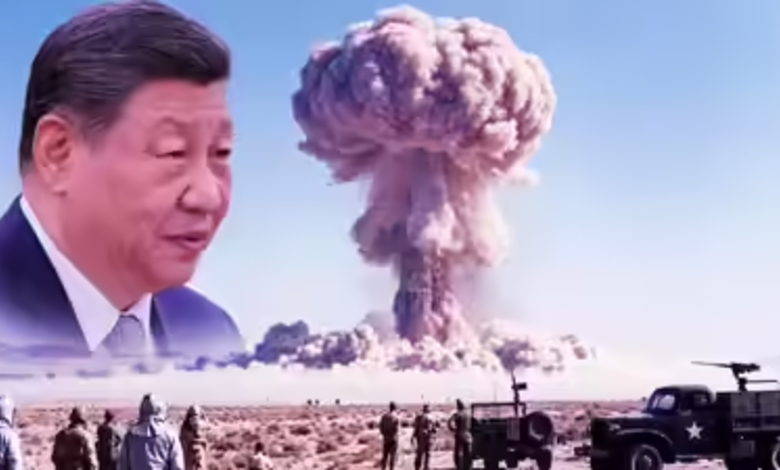
Washington : The United States has accused China of secretly carrying out a nuclear explosive test on June 22, 2020, just a week after the violent Galwan Valley clash between Indian and Chinese soldiers in eastern Ladakh that resulted in the deaths of 20 Indian troops. The allegation, made by a senior US official at a global disarmament gathering, has thrown fresh scrutiny on Beijing’s compliance with international nuclear test bans and highlighted the need for updated arms control agreements.
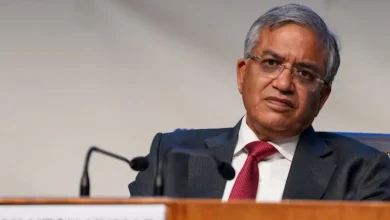
At a United Nations disarmament conference in Geneva, US Under Secretary of State Thomas G. DiNanno said the American government believes China conducted at least one covert nuclear test on June 22, 2020, and may have used sophisticated methods to mask the explosion from global monitoring systems. DiNanno explained that China utilised a technique known as “decoupling”designed to reduce the seismic signals that typically reveal underground nuclear blasts to conceal the test.
Also Read : Trump Stands Firm, Refuses To Apologise After Sharing Racist Video Of The Obamas
The timing of the alleged test, occurring days after the deadly border confrontation at Galwan Valley, underscores intensifying concerns about strategic instability among nuclear powers. The clash itself was the most lethal India–China border confrontation in decades, with Indian authorities confirming the loss of 20 soldiers and intelligence estimates suggesting significant casualties on the Chinese side as well.
DiNanno’s remarks coincided with the recent expiration of the New START treaty, a landmark arms control pact between the United States and Russia that had capped nuclear arsenals and imposed limits on deployed strategic weapons. With the treaty no longer in force, Washington argued that the world lacks binding limits on nuclear forces for the first time in more than 50 years, a situation it said warrants a new multilateral framework that includes China.
China has denied the US allegations and refused to engage in disarmament talks “at this stage,” asserting that its nuclear policies are responsible and transparent. Beijing also criticised Washington’s claims as part of what it called an attempt to exaggerate the so-called China nuclear threat.
The accusation comes amid broader geopolitical tensions and ongoing debates over global nuclear stability, non-proliferation, and the future of arms control architecture in a world where major powers are modernising and expanding their nuclear capabilities.