A legal battle unfolding at the Los Angeles Superior Court against Meta, YouTube, TikTok, and Snap could trigger sweeping transformations across social media platforms. The case centers on a 20-year-old woman, identified as KGM, who alleges she developed social media addiction during childhood, resulting in anxiety, depression, and body-image struggles. TikTok and Snapchat have already reached settlements with the plaintiff ahead of trial proceedings.
The lawsuit joins thousands of similar legal actions targeting social media companies for allegedly creating addictive platforms that harm young users. KGM’s legal team contends that Instagram’s infinite scroll feature kept her engaged with her device for a minimum of eight hours daily. Her attorneys assert that the dopamine response triggered by receiving likes on her content made the platform particularly habit-forming. Mark Lanier, representing KGM, drew parallels between social media dependency and cigarette addiction, stating, “They didn’t just build apps, they built traps. They didn’t want users, they wanted addicts.”
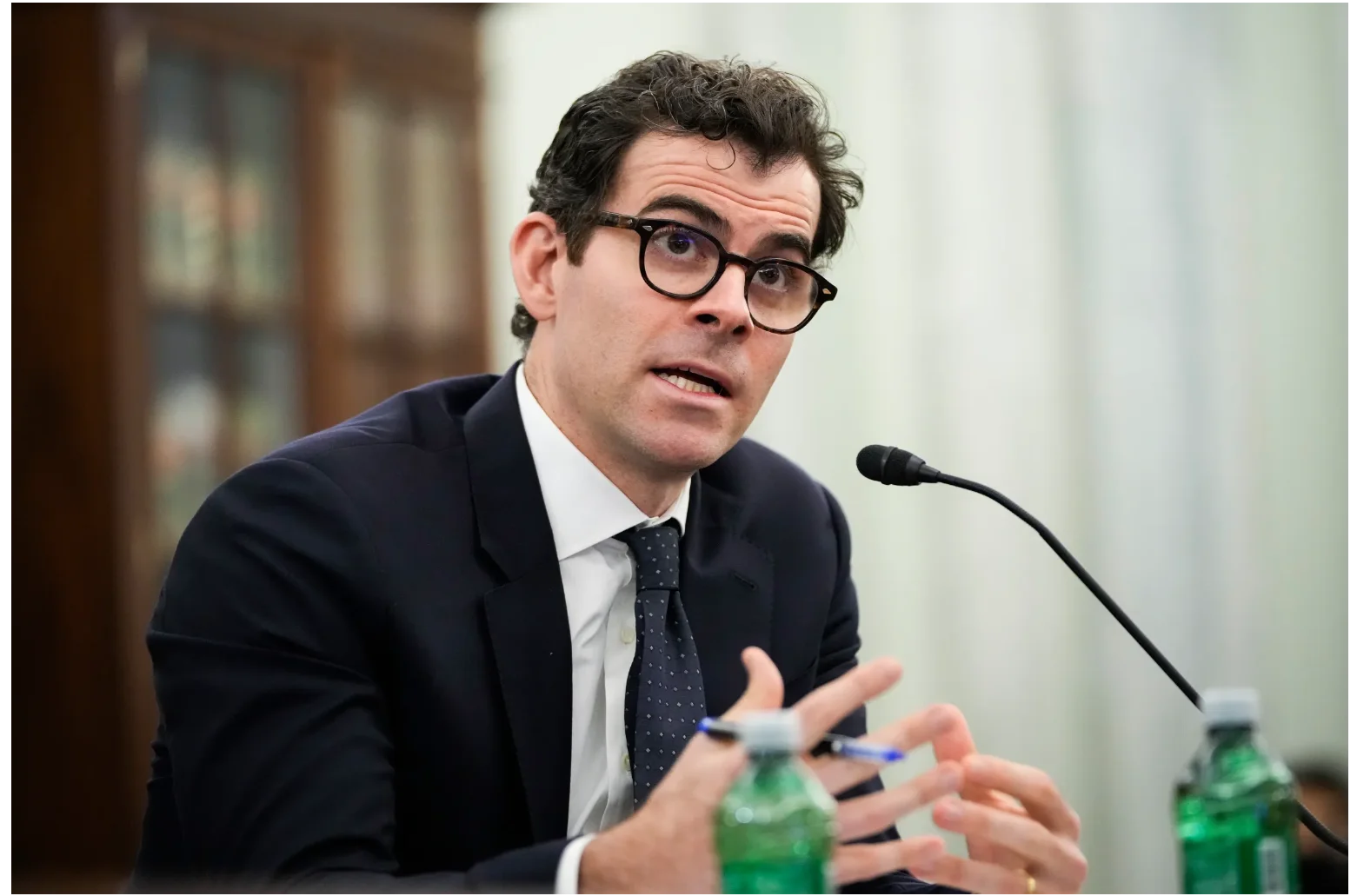
Instagram head Adam Mosseri’s courtroom statements have drawn criticism from the plaintiffs. During his testimony, Mosseri distinguished between addiction and what he termed “problematic usage” of social media platforms. “I’m sure I said this, but I think it’s important to differentiate between clinical addiction and problematic use,” Mosseri explained. He noted that people frequently employ the term “addiction” informally, citing his own comment about being addicted to a Netflix series, clarifying “that’s not an actual clinical addiction.” While acknowledging “it’s possible to use Instagram more than you feel good about,” Mosseri maintained that excessive use remains subjective and individual. He emphasized Meta’s approach: “We are trying to be as safe as possible but also censor as little as possible.” Meta CEO Mark Zuckerberg is scheduled to provide testimony next week.
Also Read: Apple To Open Its Sixth India Store At Borivali, Mumbai
Prince Harry Backs Grieving Families Challenging Social Media Companies
The plaintiff maintains that these platforms possessed knowledge that certain design elements and features could generate harmful mental health consequences for young users, yet deliberately misrepresented their apps’ safety to the public. Multiple families are monitoring the trial closely, with Prince Harry’s Archewell Foundation supporting a group of them through its digital safety initiatives. Numerous tragic incidents involving young people and social media have emerged. Lori Schott ended her life at 18 in November 2020, believing herself to be ugly and worthless. In 2017, Molly Russell, a 14-year-old British student, died by self-harm while battling depression, with investigations revealing social media’s contribution to her deteriorating mental state. These tragedies and numerous similar cases have intensified demands for stricter regulation of social media platforms accused of neglecting child safety.
-

-

-

-