
From Dowry Harassment to Divorce Settlements : 5 Indian Cases That Changed Women’s Right in Marriage
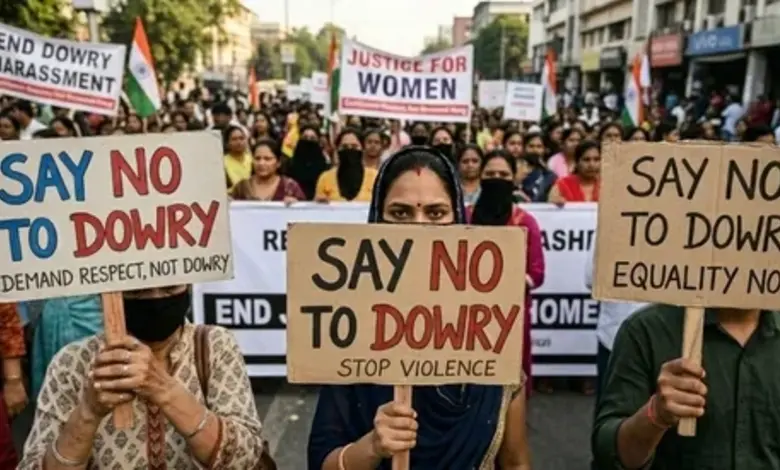
For decades, marriage in India was often seen as a private matter, even when womwn faced abuse, unequal treatement, or social pressure inside their homes. But over the years, several women chose to fight back through the courts and in doing so, changed the legal rights of millions of others.
These landmark cases did more than create headlines. They pushed Indian courts to rethink marriage, dignity, equality, and a woman’s right to make her own choices.
One of the most talked-about judgments came in 2017, when the Supreme Court struck down instant triple talaq in the Shayara Bano case. The practice allowed a Muslim man to divorce his wife instantly by saying “talaq” three times. The court called it unconstitutional and unfair to women, marking a major victory for gender justice.
Another important turning point came with the Joseph Shine judgment in 2018. Until then, India’s adultery law treated women almost like the property of their husbands. The Supreme Court scrapped the colonial-era law, saying marriage does not take away a woman’s individuality or freedom.



The courts also strengthened a woman’s right to choose her own partner. In the Lata Singh case, the Supreme Court strongly defended inter-caste marriages after a woman faced threats from her family for marrying outside her caste. The judgment made it clear that every adult woman has the right to marry whomever she chooses without fear or violence.
ALSO READ: NCW Chief Condemns ‘Heartbreaking’ Character Assassination in Twisha Sharma Dowry Death Case
In another significant decision, the Supreme Court ruled in the Independent Thought case that sex with a wife below 18 years of age would be considered rape, even within marriage. The verdict was seen as a strong step toward protecting young girls from child marriage and abuse.
Dowry-related harassment has also been addressed through landmark rulings. In the Shobha Rani case, the court recognised repeated dowry demands and emotional abuse as mental cruelty, giving women stronger grounds to seek divorce and legal protection.
Even today, Indian courts continue to hear cases involving maintenance, divorce settlements, domestic abuse, and women’s financial rights after marriage. While laws alone cannot erase deep-rooted social problems, these judgments have helped shift the conversation from silence and stigma to rights and accountability.
Together, these cases changed the way marriage is viewed in India not just as a social institution, but as a partnership where women are equally protected under the law.