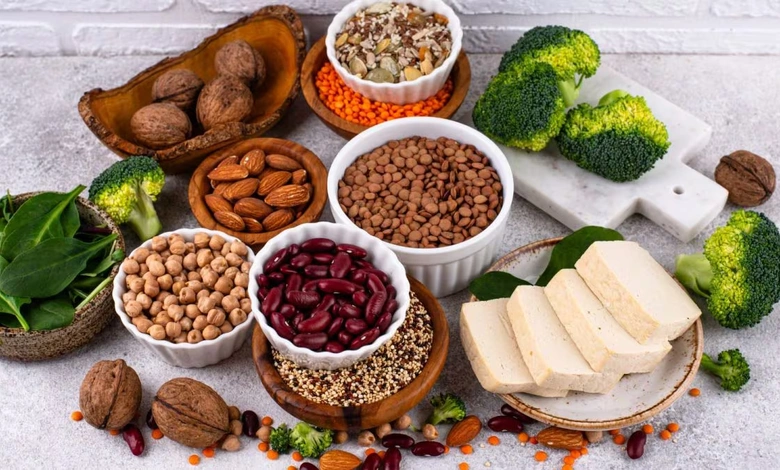
Many people assume that only animal-based items like eggs can fulfill daily protein requirements, viewing the common egg—with its 6–7 grams of protein per piece—as the benchmark for high-protein eating. Yet, a balanced vegetarian approach can match or exceed this without relying on non-veg sources. News18 highlights several everyday and nutrient-packed vegetarian options that outperform eggs in protein content while remaining accessible and cost-effective for most households.
Lentils, a daily staple in many Indian kitchens, provide around 9 grams of protein per 100 grams when cooked. They also supply useful amounts of iron and fibre, making them a practical and economical choice for curries or dals.
Chickpeas stand out as both satisfying and protein-dense, delivering close to 19 grams per 100 grams in raw form. Versatile for salads, curries, or snacks, they offer a filling alternative that supports everyday meals without high costs.
Paneer, a household favourite, contains roughly 18 grams of protein per 100 grams. Beyond its satisfying texture, it contributes calcium that aids bone health, positioning it as a nourishing yet budget-friendly dairy option.
ALSO READ : Tips To Store Mangoes Properly This Summer Season
Tofu serves as an effective plant-based counterpart, offering 10–12 grams of protein per 100 grams. It integrates easily into various dishes and aligns well with heart-healthy eating patterns.
Greek yoghurt or hung curd brings about 10 grams of protein per 100 grams to the table, accompanied by probiotics that promote gut health. This makes it a simple addition to breakfasts or snacks at a reasonable price.
Quinoa, frequently described as a supergrain, supplies around 14 grams of protein per 100 grams when cooked. As a complete protein containing all nine essential amino acids, it provides comprehensive nutritional value in an affordable package.
Almonds deliver an impressive 21 grams of protein per 100 grams, along with healthy fats and vitamin E. A handful can boost intake without straining the wallet.
Peanuts take it further with about 25 grams of protein per 100 grams, emerging as one of the most economical and widely available protein sources for daily use.
Soybeans top the list among plant options, providing a remarkable 36 grams of protein per 100 grams. They represent one of the richest vegetarian protein sources while remaining cost-conscious.
Pumpkin seeds add around 19 grams of protein per 100 grams. Easy to sprinkle over meals or eat as a snack, they also contribute essential minerals such as magnesium, enhancing their value as a low-cost booster.
ALSO READ : 7 Hydrating Foods To Prevent Dehydration in Summer
These vegetarian foods demonstrate that meeting protein needs does not require expensive or exclusive items. From pantry staples like lentils and peanuts to versatile choices like paneer and quinoa, they offer practical ways to build muscle, stay full, and maintain health—all while keeping expenses in check.