
Supreme Court Clears Path for ED to Unlock I-PAC Functionary’s Seized Phone, Rejects Privacy Concerns
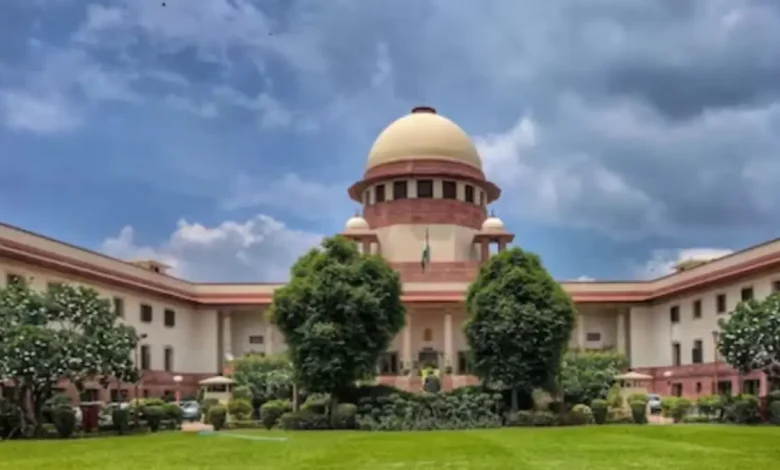
In a significant ruling on Thursday, the Supreme Court declined to block the Enforcement Directorate (ED) from examining data on the mobile phone of Jitendra Mehta, a key functionary at the political consultancy firm I-PAC. The device was confiscated during a raid on the company’s Delhi office on January 8 as part of an ongoing money laundering investigation.
Mehta, summoned to appear for questioning at the ED headquarters on Friday, had approached the apex court seeking interim protection. Senior advocate C A Sundaram, representing him before a bench led by Chief Justice of India Surya Kant, argued that unlocking the phone would infringe on Mehta’s right to privacy. He urged the court to restrain the ED from accessing its contents until the next hearing scheduled for Tuesday.
The bench, however, appeared unconvinced by the plea. When the advocate pressed the issue of fundamental rights, the court questioned, “Why are you so afraid?” It further observed, “We know how to protect an innocent citizen,” prompting Sundaram to counter that the remark implied an assumption of guilt.
ALSO READ : Supreme Court Asks EC , Why ‘illegal immigration’ Was Not Cited As Reason For SIR




The decision aligns with the broader context of the probe into I-PAC. While ED officials successfully seized digital devices from the Delhi premises, their parallel operation in Kolkata faced obstruction. West Bengal Police intervened at the firm’s office in the presence of Trinamool Congress supremo and Chief Minister Mamata Banerjee, resulting in the removal of seized documents and devices from ED custody.
The CJI-headed bench also consolidated this matter with several other pending cases where high courts or the Supreme Court had previously restrained the ED from unlocking phones or accessing digital data of accused individuals in money laundering probes. These include investigations linked to lottery magnate Santiago Martin’s Future Gaming, the NewsClick portal, Foundation for Media Professionals, Amazon Seller Services Pvt Ltd, and aspects involving the Tamil Nadu government.
In those instances, petitioners contended that existing legal frameworks fall short, and unrestricted access to personal devices violates privacy protections under Article 21 of the Constitution and safeguards against self-incrimination under Article 20(3). Accused parties have sought judicial guidelines on device seizures, given the mix of professional and personal information they contain.
The Supreme Court had, in November 2023, instructed the central government to prepare such guidelines. The Ministry of Home Affairs subsequently constituted a panel under the director of the Indian Cyber Crime Coordination Centre (I4C) to address the issue. Until formal rules are in place, the government has proposed that central agencies adhere to the CBI manual for such operations.
The consolidated hearing on these intertwined issues is now set for Tuesday, when the court will further examine the balance between investigative powers and individual rights in digital evidence handling.