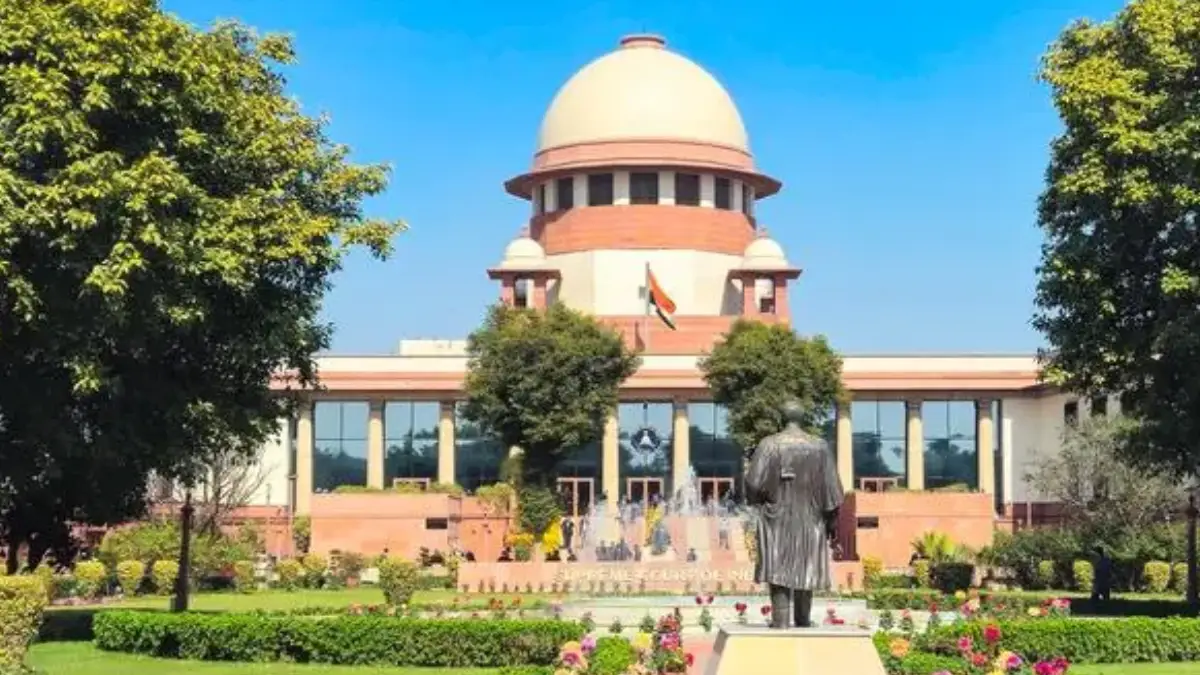
As many as 14 of India’s 28 state chief ministers are facing serious criminal cases, according to details placed before the Supreme Court during proceedings on expediting criminal trials involving elected representatives.
The information was presented in a long-running case concerning the need to speed up the disposal of criminal cases against sitting and former Members of Parliament and Members of Legislative Assemblies. The disclosure has brought renewed attention to the criminal cases pending against those occupying some of the country’s highest elected positions.
Telangana Chief Minister A Revanth Reddy has the highest number of pending cases among the chief ministers listed, with 89 cases against him. The figure includes a substantial number of cases classified as serious offences.
The details are based on information relating to criminal cases declared by elected representatives. The presence of a pending case does not, by itself, establish guilt, as the allegations remain subject to judicial proceedings and determination by the courts.
The matter before the Supreme Court is part of broader efforts to address delays in criminal trials involving politicians. The court has been examining ways to ensure that cases against elected representatives are dealt with more efficiently rather than remaining pending for prolonged periods.
The figures concerning chief ministers have also highlighted the wider issue of criminalisation in politics. With several serving heads of state governments facing criminal proceedings, questions continue to arise over the pace at which such cases are investigated and tried.
The information submitted to the court comes as the judiciary continues to consider mechanisms for monitoring and accelerating trials involving lawmakers. The objective is to prevent criminal proceedings against elected representatives from remaining unresolved for years.
The issue is particularly significant because chief ministers hold key constitutional and administrative responsibilities within their respective states. At the same time, the legal status of each case varies, and pending allegations must not be treated as convictions.
The Supreme Court’s consideration of the matter is therefore focused not on determining the guilt of individual political leaders, but on ensuring that criminal cases involving elected representatives move through the judicial process without unnecessary delays.
-
-

-
-