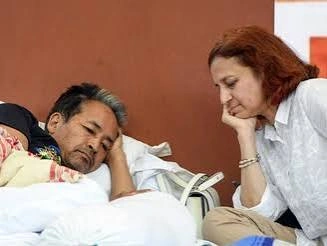
New Delhi: The protest led by environmentalist and education reformer Sonam Wangchuk took a dramatic turn on Saturday after he was shifted to Delhi’s Safdarjung Hospital following nearly three weeks of an indefinite hunger strike. The move sparked fresh controversy when his wife, Gitanjali J. Angmo, publicly warned authorities against administering any medical treatment without the family’s consent.
In a strongly worded statement, Angmo said no oral or intravenous treatment should be given to Wangchuk unless he, his family and his legal team agreed to it.
“I forbid them from administering anything without my consent. Everyone will be held accountable,” she said.
Her remarks came just hours after Delhi Police moved Wangchuk from the protest site at Jantar Mantar to Safdarjung Hospital, saying doctors had advised immediate medical supervision as his health had deteriorated after 21 days without food.
The transfer follows directions issued by the Delhi High Court earlier this week, which asked authorities to ensure Wangchuk’s health was monitored daily during his fast. The court observed that while citizens have the right to protest peacefully, the State also has a responsibility to protect life and provide medical care when required.
Police have maintained that the decision was based entirely on medical advice and was not meant to interfere with the protest. Officials said Wangchuk was shifted only after doctors expressed concern about his condition and recommended hospitalisation.
His family, however, has questioned both the urgency and the manner in which the move was carried out. Angmo argued that there was no medical emergency warranting such action and insisted that any treatment without informed consent would violate Wangchuk’s wishes. She also warned that those responsible would be held accountable if medical procedures were carried out against the family’s consent.
Witnesses at Jantar Mantar said a heavy police presence surrounded the protest site before Wangchuk was taken to the hospital. The development led to emotional scenes, with supporters raising slogans and accusing authorities of attempting to disrupt a peaceful protest. Police rejected those allegations, saying the priority was to prevent any serious risk to his health.
Wangchuk, a Ramon Magsaysay Award winning innovator from Ladakh, began his indefinite fast on June 28 in support of students demanding accountability over the alleged examination paper leak controversy and seeking the resignation of Union Education Minister Dharmendra Pradhan. The protest has also highlighted broader concerns over transparency, fairness and trust in India’s examination system.
Over the past three weeks, Wangchuk repeatedly said he would continue his fast until meaningful action was taken. Even as concerns over his health grew, he maintained that his protest was aimed at drawing attention to issues affecting millions of students across the country.
The Delhi High Court’s intervention came after a petition sought medical oversight as Wangchuk’s condition weakened. While the court did not stop the protest, it made it clear that preserving life remains the responsibility of the authorities, even when a person is exercising their democratic right to dissent.
As of Saturday evening, Wangchuk remained under observation at Safdarjung Hospital. There has been no official announcement that he has ended his hunger strike. Meanwhile, his wife’s firm message has added another layer to an already high profile protest, raising questions about patient consent, state intervention and the balance between an individual’s right to protest and the government’s duty to protect life.
ALSO READ: ‘Health First’: Sonam Wangchuk Shifted To Hospital After 20 Day Fast, Says Protest Will Continue
-

-
-
-