
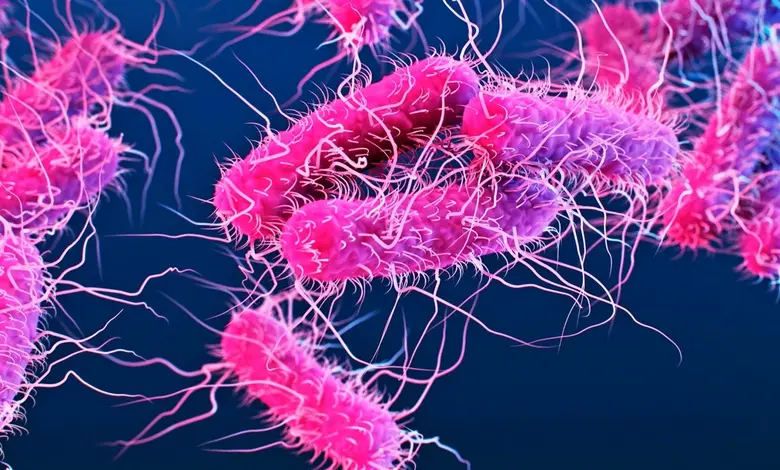
Health officials in Kerala have raised an alert following the death of a four-year-old child in Kozhikode due to Shigella infection, prompting increased surveillance and calls for stricter hygiene practices. Shigella, also known as shigellosis, is a bacterial illness that inflames the intestines and spreads rapidly through contaminated food, water, or close contact with infected people.
The disease is highly contagious and transmits primarily via the fecal-oral route. While many cases resolve with supportive care and hydration, vulnerable populations can face serious complications. Dr., Senior Consultant in Infectious Diseases at Fortis Memorial Research Institute, noted that young children under five are particularly susceptible. Their developing immune systems leave them prone to severe dehydration and other issues. Elderly people are also at elevated risk, as age-related conditions can impair their ability to combat the infection.
According to Dr. symptoms typically include diarrhoea, abdominal cramps, fever, nausea, and vomiting. In more severe instances, patients may experience bloody stools and significant fluid loss, necessitating prompt medical intervention. Outbreaks tend to escalate quickly in areas with poor sanitation or crowded living conditions.
Infectious disease experts identify several high-risk categories. Beyond young children, older adults with weakened immunity are vulnerable. Individuals with compromised immune systems such as those receiving cancer treatment, living with HIV, on immunosuppressive drugs, or dealing with chronic conditions face greater chances of severe outcomes. Dr., Consultant Nephrologist at Fortis Hospital, Shalimar Bagh, highlighted additional risks for pregnant women and people with diabetes or kidney disease.




Dehydration stands out as a primary concern with Shigella infections. Frequent diarrhoea and vomiting can cause dizziness, weakness, low blood pressure, and, in extreme cases, organ problems. Doctors urge immediate care for warning signs like persistent high fever, bloody diarrhoea, reduced urination, excessive thirst, dry mouth, or confusion.
Transmission occurs easily through contaminated drinking water, undercooked or tainted food, inadequate handwashing, direct contact with infected individuals, and unsanitary environments. Limited access to clean water and proper sanitation heightens the danger.
Preventive steps recommended by physicians include rigorous handwashing with soap, consuming only safe water, and eating freshly prepared meals. Fruits and vegetables should be washed thoroughly, and food stored hygienically. Parents should instil good hand hygiene habits in children, particularly around mealtimes and toilet use. Community-wide sanitation efforts are crucial during alerts.
Mild cases often improve with rest and fluids, but medical attention is vital if symptoms intensify. Early diagnosis helps avert complications and limits further spread. The situation in Kerala underscores the need for vigilance against diarrhoeal diseases, especially among children, the elderly, pregnant women, and those with underlying health issues. Consistent hygiene, safe water and food practices, and timely treatment remain key defences.