
For most parents, paying the school fee is only the first step in financing their child’s education. The real cost often goes far beyond tuition, with expenses such as books, uniforms, transport, gadgets, coaching classes and extracurricular activities putting increasing pressure on household budgets.
As the 2026 academic year gets underway, many families are finding that education has become significantly more expensive. Besides tuition fees, schools may charge for admission, annual maintenance, laboratories, examinations, activities and digital learning platforms. Parents also spend thousands each year on stationery, school bags, shoes, project materials and uniforms that need regular replacement.
Technology has become another unavoidable expense. A smartphone, tablet or laptop, along with a stable internet connection, is now essential for assignments, research and communication with teachers. At the same time, rising transport costs, whether through school buses, private vans or fuel for daily commutes, continue to add to the financial burden.
Outside the classroom, many students attend tuition classes, sports coaching, music lessons or coding programmes to stay competitive. While these activities help children develop new skills, they also increase the overall cost of education.



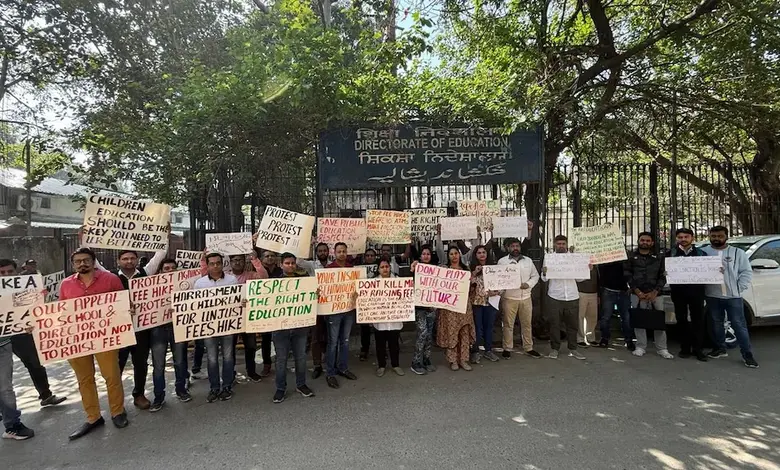
Although several state governments have introduced rules to regulate fee hikes in private schools, education related expenses continue to rise due to inflation and higher costs of books, transport, technology and school operations. Government schools and scholarship schemes have helped reduce the burden for many families, but additional spending often remains unavoidable.
Experts say parents should plan for education as a long-term financial goal rather than focusing only on school fees. Setting aside money early and budgeting for hidden expenses can help families avoid financial stress later.
Education remains one of the best investments parents can make. However, understanding its true cost means looking beyond the fee receipt and recognising the many everyday expenses that come with helping a child learn and grow.