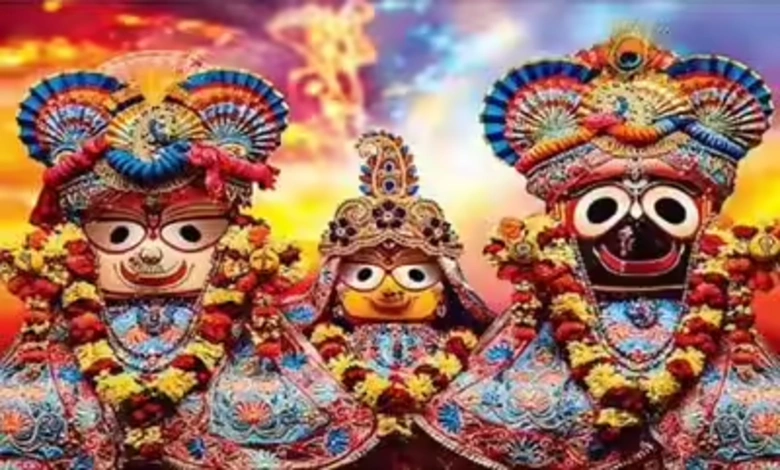
Snana Purnima, a major Hindu festival, falls on June 29, 2026. Observed with deep devotion, particularly in Puri, Odisha, the occasion centers on a grand ceremonial bathing of the divine trio Lord Jagannath, Lord Balabhadra, and Goddess Subhadra inside the revered Jagannath Temple. This ritual, known as Snana Yatra, signals the beginning of the renowned Rath Yatra, or chariot festival.
Date and Timings
The Purnima tithi (full moon phase) begins at 3:06 AM on June 29, 2026, and concludes at 5:26 AM on June 30. The moonrise associated with Shukla Purnima occurs at 7:16 PM.
Significance
According to the Hindu lunar calendar, Snana Yatra takes place annually on the full moon day of the Jyeshtha month. It offers devotees their initial darshan of Lord Jagannath and his siblings at the Snana Mandap within the temple complex. The deities, along with Sudarshan, are brought out from the sanctum to the mandap located in Ananda Bazar for the sacred bathing ceremony.
Lord Jagannath, revered as an incarnation of Lord Krishna and the supreme ruler of the universe whose name translates to “Lord of the World”is joined by his brother Balabhadra (also known as Balarama) and sister Subhadra in this auspicious event. The festival underscores themes of divine presence, renewal, and public devotion.
Puja Rituals and Traditions:
The rituals draw from ancient texts such as the Skanda Purana. Tradition holds that King Indradyumna first installed the deities in the Puri temple and performed their initial bath. During the Snana Yatra, priests conduct the bathing with 108 pitchers of water drawn from a well near the Sitala shrine. The ceremony unfolds amid devotional kirtans, the sounding of conch shells, and the chanting of Vedic mantras.
Following the bath, the deities are adorned in the Ganesha Besha (elephant form), also called Gajanana. Special food offerings, known as Bhogalagi, are prepared at the Snana Mandap.
After the Yatra, the deities remain out of public view for about 15 days during the Anasara period. This time is traditionally understood as one of rest and recovery, during which they are offered only fruits, water, and herbal medicines (Dasamula) prepared by the royal physician. Temple artists repaint the deities with fresh colors, and regular worship is paused. On the 16th day, Netrotsava or Nava Joubana Utsav the festival of renewed youth takes place, after which devotees can once again have darshan.
Key mantras chanted on this day include “Om Namo Bhagavate Vasudevaya,” the Mahamantra “Hare Rama Hare Krishna,” and the specific invocation: “Nilachala Nivasaya Nityaya Paramatmane, Balabhadra Subhadrabhyam Jagannathaya Te Namah.”
This annual observance blends spiritual fervor with rich cultural heritage, drawing countless devotees to witness the divine bathing that heralds the majestic procession of the chariots.
-
-

-
-