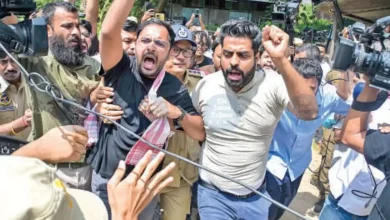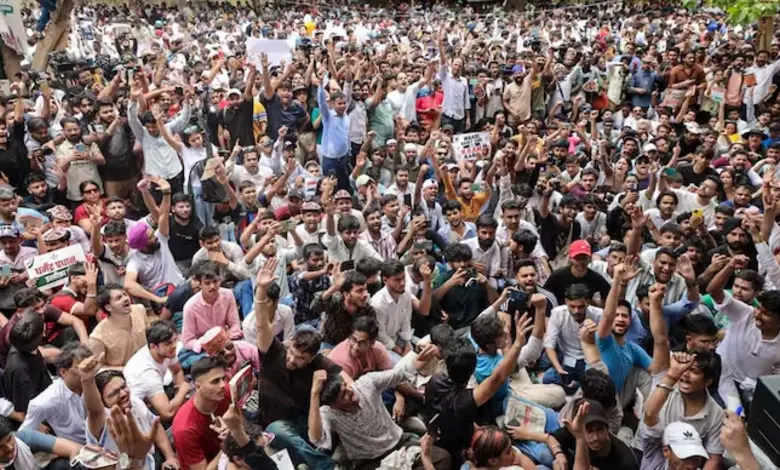
New Delhi: What began as a movement demanding accountability over alleged examination irregularities has taken an unexpected cultural turn, with “protest dates” emerging as one of the most talked about Gen Z trends in India. Young people are increasingly choosing protest sites over cafés and movie theatres, saying that shared values and civic engagement have become an important part of modern relationships.
The trend has gained momentum at Delhi’s Jantar Mantar, where thousands of students and youth have been participating in demonstrations calling for education reforms and greater accountability. Social media platforms have amplified the phenomenon, with videos inviting people to join a “protest date” attracting widespread attention and encouraging others to attend demonstrations together.
Unlike conventional dates, participants say these meetups revolve around conversations on social issues, volunteering, and standing together for causes they believe in. For many, the protests have become spaces to meet like minded people, form friendships and, in some cases, begin romantic relationships rooted in shared beliefs.
The trend has emerged alongside the ongoing youth led movement that was initially sparked by anger over repeated allegations of competitive examination paper leaks and concerns about employment opportunities. Protesters have continued to demand systemic reforms and accountability from authorities, while demonstrations have spread beyond the national capital to several cities across the country.
In recent days, organisers have expanded the movement by calling for peaceful demonstrations across districts under the slogan “Every District. One Day. One Demand.” The campaign has urged students and citizens to participate peacefully while reiterating demands for education reforms and justice for those affected by alleged examination-related failures.
Authorities have maintained heightened security around major protest locations following earlier confrontations between demonstrators and police. While government representatives have indicated a willingness to engage in discussions on some concerns, protest leaders have said they will continue their movement until they see concrete action on their key demands.
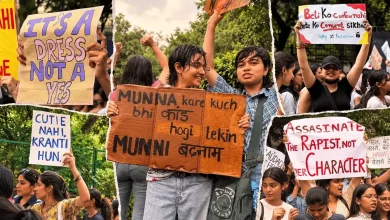
Beyond politics, the movement has also evolved into a social and cultural phenomenon. Volunteers, artists, musicians and content creators have transformed protest venues into spaces where people exchange ideas, organise community support and document events online. Across social media, the phrase “protest date” has become symbolic of a generation that increasingly values shared principles alongside personal compatibility.
Relationship experts note that younger generations often seek partners with similar social and political values, making activism a natural setting for meaningful conversations. Supporters of the trend argue that participating in peaceful civic action together offers a deeper understanding of a person’s beliefs than a traditional first date.
Despite its growing popularity online, organisers continue to emphasise that the demonstrations remain focused on their original demands for education reforms and accountability. They have repeatedly appealed to participants to keep gatherings peaceful and avoid any activity that distracts from the movement’s objectives.
As the protests continue to draw national attention, the rise of the “protest date” highlights how civic participation, social media and youth culture are increasingly intersecting in contemporary India. Whether the trend proves to be a lasting shift in dating culture or a moment unique to this movement, it has already become one of the defining conversations surrounding India’s ongoing student led protests.
ALSO READ: “Sonam, It’s Done, Bro”: Salman Khan Urges Wangchuk To End Fast, Asks Students To Return Home
-
-

-
-