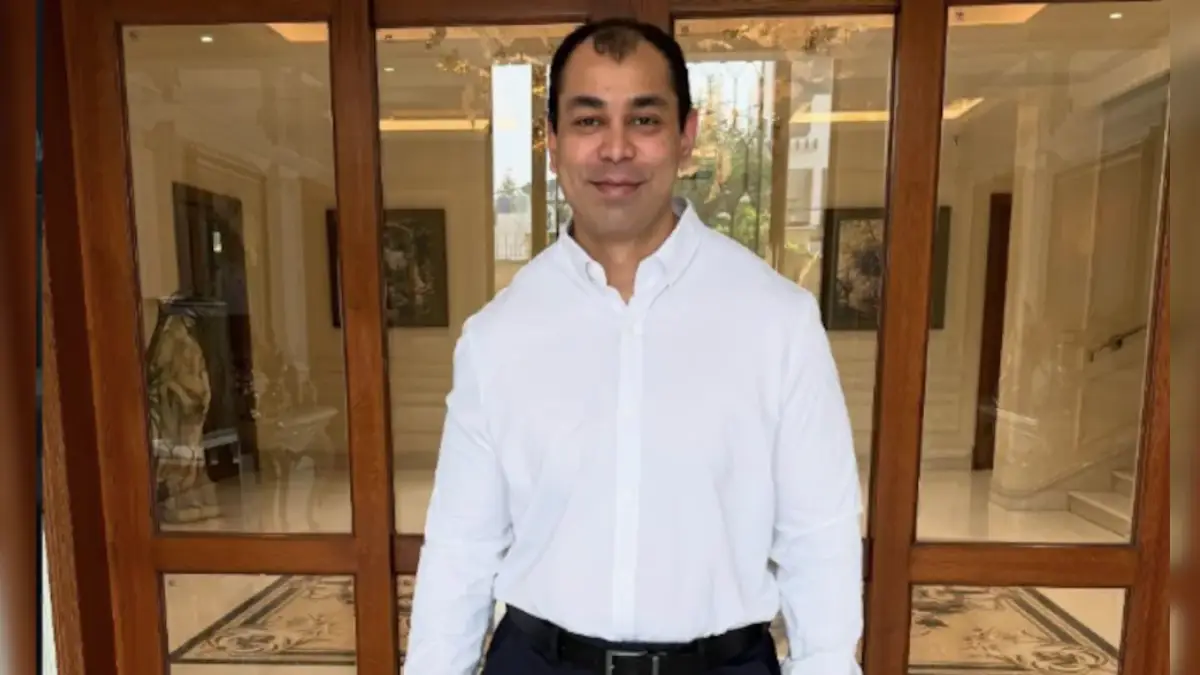
The death of 38-year-old Prateek Yadav has been shrouded in speculation since news of it broke, with social media latching onto his muscular build and gym habits to push theories of steroid abuse. The postmortem report and his treating physician tell a different story entirely.
India Today has spoken exclusively to the doctor who managed Prateek’s care for five years. For the first time, a detailed account of his medical history, his final hospitalisation, and the circumstances of his death is now on record.
A Silent Condition, Five Years in the Making
Five years ago, Prateek walked into his doctor’s clinic with chest pain and breathlessness. He was young and appeared fit. The diagnosis was Deep Vein Thrombosis DVT.
DVT is a condition in which blood clots develop in the deep veins of the body, typically in the legs. When managed, patients can lead relatively normal lives under medical supervision and blood-thinning medication. The danger arises when a clot dislodges and travels to the lungs, causing Pulmonary Embolism a life-threatening emergency where every minute matters.
Prateek was placed on anticoagulants and monitored periodically over the following five years by his doctor, whose identity India Today is withholding at her request. His condition was being managed. Until April 29.
ICU Admission, and a Decision Against Medical Advice
Following a phone consultation, Prateek came to the hospital in person on April 29. His doctor’s examination raised immediate alarm. He had severe chest discomfort, dizziness, and breathlessness. He was admitted to the ICU without delay.
For the first couple of days, his condition appeared to stabilise. Then, on May 1, Prateek told his doctors he wanted to leave.
In medical terminology, this is recorded as LAMA Leave Against Medical Advice. It is not a formal discharge. It is a patient choosing to override their treating team’s judgment and accepting personal responsibility for the consequences.
His doctor did not soften her words. She told him, repeatedly, that leaving the ICU in his condition was suicidal her word, as she recalls it today. The ICU environment had become unbearable for him: the constant beeping of monitors, nurses cycling in at all hours, the relentless, confined rhythm of critical care. He wanted to be home. He wanted to be with his children.
His wife Aparna was present throughout. She appealed to him, again and again, to stay and complete treatment. His doctor recalls Aparna making every effort to keep him there. Neither of them could change his mind. He signed the papers and walked out.
Care at Home, Then Silence
Prateek was not without medical support after discharge. A dedicated nursing team of three attended to him around the clock at home. His doctor remained in contact through the nursing staff in the days that followed, and confirmed that Prateek was taking his medication as prescribed a fact the nurses verified with her directly. Her last direct call with Prateek himself was on May 3. After that, her contact was limited to the nursing staff. Then there was silence.
On the morning of May 13, 2026, at 5:55 am, Prateek Yadav was declared dead at Civil Hospital, Lucknow. He was 38.
What the Postmortem Found
The postmortem report, accessed by India Today, makes no mention of steroids. There is no indication of substance abuse of any kind. The cause of death is recorded in clear medical terms: cardiorespiratory collapse caused by massive pulmonary thromboembolism. The clot that had been managed for five years had broken free.
The report also notes six contusions on his body across the chest, right arm, right forearm, elbow, and left wrist all confirmed as antemortem. These fall into two distinct timeframes. The older injuries, estimated at five to seven days old, are linked to a fall Prateek had at home before his April 29 admission serious enough that a CT scan of his head was ordered to rule out intracranial damage. The more recent injuries, approximately a day old, are consistent with a fall after he lost consciousness in his final hours at home.
There is a medical explanation for why those injuries appear as pronounced as they do. Prateek was on long-term anticoagulant therapy. Blood thinners cause bruising and contusions to present far more dramatically than they would in a person not on such medication. The appearance of the injuries is consistent with anticoagulant use and two documented falls not with foul play.
The heart and pulmonary thromboembolic material have been preserved for histopathological examination. Viscera have been retained for chemical analysis.
The Quiet Reality Behind the Speculation
Prateek Yadav was fit, young, and had lived with DVT for five years without incident. Perhaps, at 38, it was difficult to believe things could turn this serious. He had kept his appointments. He had taken his medication. Going home for a few days may not have felt like a fatal decision to him. It may have simply felt like a break a chance to be with his children.
He could not have known, or perhaps could not bring himself to believe, that walking out of that ICU on May 1 would be irreversible.
The postmortem record is unambiguous. This was not steroids. This was a young man with a known, managed condition who made one decision his body could not survive.
-
-
-
-