
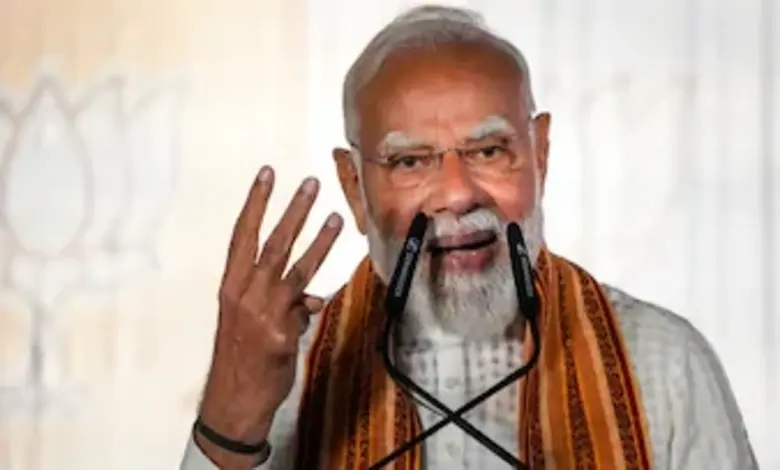
New Delhi: In response to escalating global economic pressures from Middle East conflicts, Prime Minister Narendra Modi has called on Indians to adopt responsible daily habits to safeguard the country’s fuel supplies, foreign exchange reserves, and overall economic stability.
Speaking in Hyderabad on Sunday, the Prime Minister emphasised that patriotism extends beyond battlefield sacrifices to include mindful actions in everyday life. “Patriotism is not only about the willingness to sacrifice one’s life on the border. In these times, it is about living responsibly and fulfilling our duties to the nation in our daily lives,” PM Modi said.
He appealed for widespread public participation to help India navigate international supply chain disruptions, volatile oil markets, and the resulting increase in prices of essential goods triggered by overseas conflicts.
Conserving Fuel and Promoting Efficiency
PM Modi specifically urged reduced consumption of petrol and diesel through practical measures such as greater reliance on public transport and metro services where available, increased car-pooling, and shifting goods movement to the railways. He also promoted wider adoption of electric vehicles.


Drawing on lessons from the COVID-19 period, the Prime Minister advocated reviving efficiency practices like working from home (WFH), virtual meetings, and online conferences to serve the national interest and cut down on unnecessary travel.
ALSO READ : Yogi Adityanath 2.0 Ministry: UP Cabinet Expands Ahead Of Assembly Elections, 6 Ministers Take Oath
Saving Foreign Exchange
To protect foreign exchange reserves, PM Modi advised against non-essential overseas travel, including foreign vacations and destination weddings. He requested citizens to refrain from non-essential gold purchases for the next year. Additionally, he encouraged families to lower their consumption of edible oils, noting benefits for both the economy and personal health.
The Prime Minister promoted “Made in India” products for everyday items like shoes, bags, and accessories, and suggested domestic tourism over international trips. Addressing farmers, he called for a 50 per cent reduction in chemical fertiliser use and a switch to solar-powered irrigation pumps in place of diesel ones.
Global Context: The Hormuz Crisis
These appeals come against the backdrop of heightened tensions in the Middle East. The Strait of Hormuz—a critical chokepoint for global oil supplies—has been blocked for over two months due to conflict involving US-Israel forces and Iran, driving up oil prices and affecting multiple import costs while straining India’s foreign reserves.
The UN’s International Maritime Organisation (IMO) reported around 1,500 ships and crews trapped in the Gulf. Iran has imposed toll taxes on vessels, prompting US warnings, while Britain and France consider an international coalition to secure the waterway. Iran has threatened a strong response to any foreign warships in the area.
Through these collective steps, PM Modi aims to strengthen India’s resilience against external economic shocks.