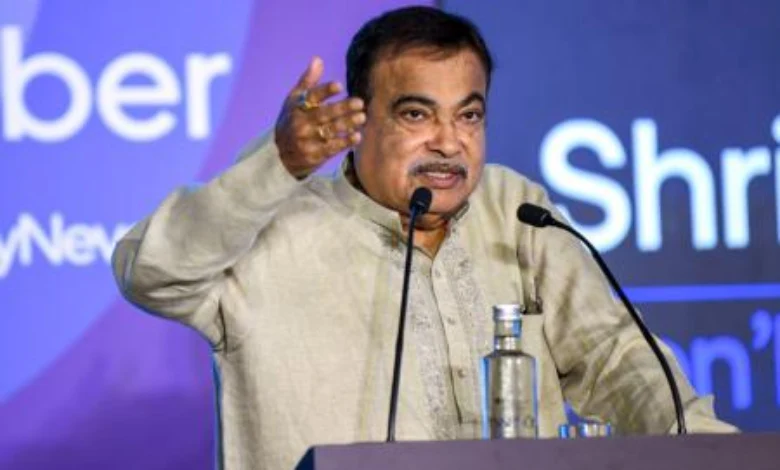
Union Minister for Road Transport and Highways Nitin Gadkari has defended the condition of the Mumbai-Pune Expressway, saying the highway has remained free of potholes nearly three decades after its construction. He also called for greater use of technology to identify road defects before they turn into serious problems.
Speaking at an event in Pune, Gadkari said he faced criticism on social media after a structure near the recently opened Missing Link section of the expressway was affected by a landslide. He maintained that the original Mumbai-Pune Expressway, which was constructed 27 years ago, continues to remain pothole-free.
Gadkari also clarified that the Missing Link was a separate project undertaken by the state government. The 13.3-kilometre project was inaugurated in May and was developed to avoid the steep mountain stretch of the existing expressway, improve road safety and reduce travel time between Mumbai and Pune.
In July, heavy rainfall triggered a landslide near Tunnel 2 at the entrance of the Missing Link. The incident brought renewed attention to the condition and safety of road infrastructure in the region.
Gadkari said India should increasingly rely on modern technology to monitor highways. He suggested deploying drones, artificial intelligence, LiDAR and satellite-based systems to identify cracks, damage and other road defects at an early stage. According to him, such systems could help authorities address problems before they develop into major infrastructure concerns.
Reflecting on the planning of the Mumbai-Pune Expressway, Gadkari said he had initially considered an eight-lane road while taking future traffic into account. However, after observing highway infrastructure in other countries, he said he realised that road projects need to be planned much further ahead.
He stressed that infrastructure should be designed with a 25- to 50-year perspective rather than only meeting present-day requirements. Better roads, he said, can reduce transportation costs, strengthen industrial competitiveness and give farmers improved access to markets.
Gadkari also linked infrastructure development with employment, economic growth and poverty reduction. He highlighted research, innovation, entrepreneurship and technology as important drivers of India’s development.
On Pune’s future infrastructure, he said projects worth around Rs 60,000 crore are planned for the city, with alternative financing mechanisms being explored to support their implementation.
-

-

-

-