
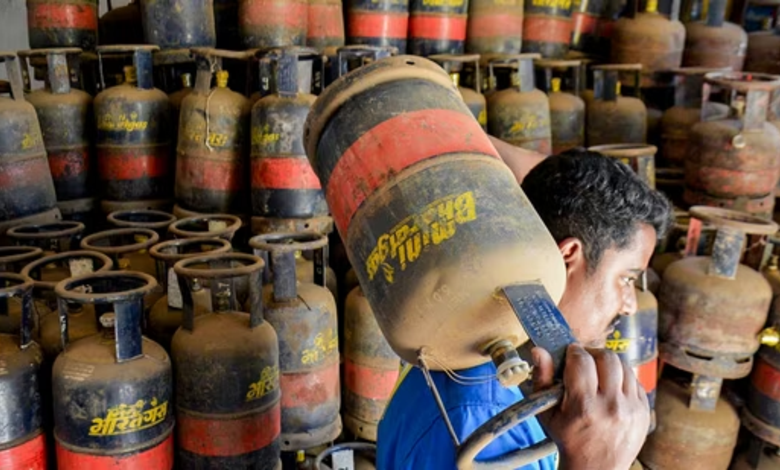
Nagpur: Commercial LPG rationing in Nagpur has begun affecting multiple industrial sectors, including steel processing units, food manufacturers and dal mills, raising concerns about potential operational disruptions across the city.
According to a report by The Times of India, the restrictions on commercial cooking gas supply are not only impacting restaurants but also several manufacturing and food-processing businesses that depend heavily on LPG for their daily operations. The curbs have created uncertainty among industry players who rely on consistent gas supply to maintain production.
Sources within Haldiram’s Snacks Food Private Ltd told The Times of India that the suspension of fresh LPG supplies could affect both the company’s restaurant operations and its large manufacturing facilities where cooking gas is used extensively.
Similarly, Vikram Diwadkar, director of Ajit Bakery, said the company had been assured of uninterrupted supply for only about five days, after which the situation remains uncertain. Many bakeries had previously switched from diesel to LPG for operational efficiency, making them particularly vulnerable to the supply curbs.



Also read: LPG Production Up 10% Today, Dismisses Shortage Concerns : Government
The steel industry is also facing challenges. LPG is commonly used for initial furnace firing, metal cutting and fabrication processes. Dipen Agrawal, president of the Chamber of Associations of Maharashtra Industries and Trade (CAMIT) and a steel businessman, said that even though the quantity of LPG used by steel units is relatively small, the restrictions could trigger a ripple effect across the sector.
Agrawal explained that LPG plays an important role in industrial applications such as heating, melting, heat treatment and galvanising. Without reliable supply, steel processing units could struggle to operate and may even be forced to shut down temporarily.
Dal mills are similarly dependent on LPG for drying pulses before processing. Manohar Bhojwani, director of the Nagpur Dal Mill Cluster, told The Times of India that raw agricultural produce often contains moisture and must be dried using LPG-powered dryers. Stocks typically need replenishment every three days, though some mills maintain alternative systems such as coal or solar-powered dryers.
Even organisations like Western Coalfields Limited are experiencing difficulties securing cylinder refills for canteen operations, highlighting the wider impact of the supply restrictions.
Also read: Iran Escalates Tensions by Deploying Mines in Vital Strait of Hormuz