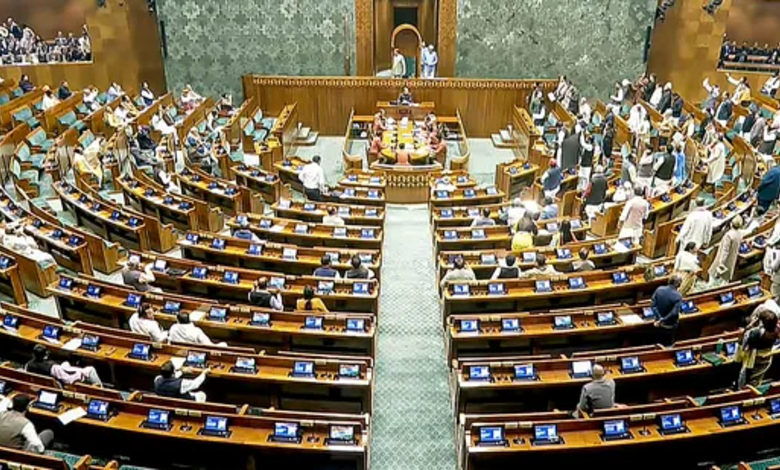
New Delhi: India’s lower house of Parliament, the Lok Sabha, has approved the creation of a ₹57,000-crore Economic Stabilisation Fund aimed at protecting the country’s economy from external shocks and supply chain disruptions, according to a report by Hindustan Times. The move comes as part of the government’s broader effort to maintain economic stability amid rising geopolitical tensions and global market uncertainties.
Finance Minister Nirmala Sitharaman informed Parliament that the proposed fund would provide the government with the financial flexibility required to respond quickly to unexpected global developments that could impact India’s economic growth. These challenges include disruptions in international supply chains, volatility in commodity prices, and other external economic pressures.
The proposal was cleared as part of the second batch of supplementary demands for grants for the current financial year. The government has sought parliamentary approval for additional spending, but officials emphasised that the overall fiscal framework will remain within the limits set in the Union Budget. According to Sitharaman, higher receipts and savings from various departments will help offset a portion of the extra expenditure.
The stabilisation fund is intended to act as a financial buffer that can be deployed during periods of global economic turbulence. Recent geopolitical developments, particularly conflicts affecting key trade routes and energy markets, have highlighted the need for such a mechanism. Supply chain disruptions and rising costs of essential imports have posed challenges for many economies, including India.
The government has maintained that the new fund will strengthen India’s ability to respond swiftly to global uncertainties without compromising fiscal discipline. By establishing this reserve, policymakers hope to ensure that the country can manage sudden economic shocks while continuing to support growth and maintain macroeconomic stability.
As reported by Hindustan Times, the measure reflects the government’s broader strategy of preparing the economy to withstand external disruptions in an increasingly volatile global environment.
Also Read: Iran Grants Safe Passage to Indian Ships Through Strait of Hormuz Amid Regional Tensions
-

-

-

-