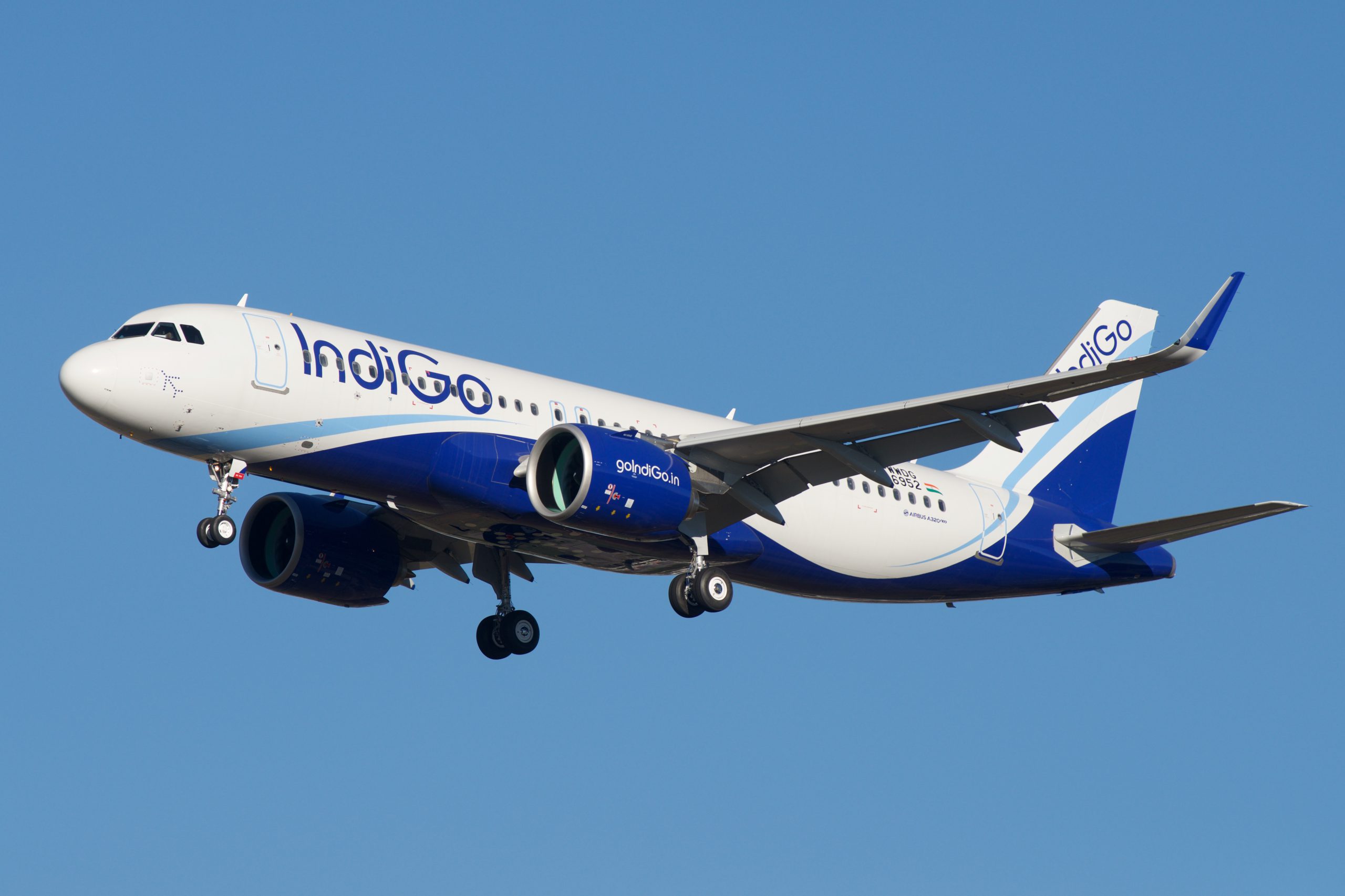
An IndiGo flight from Delhi to Chennai was diverted to Hyderabad on Sunday after a passenger’s power bank caught fire mid-flight.
Flight 6E 6115, carrying 191 people, landed safely at Rajiv Gandhi International Airport around 3.15 pm. Cabin crew extinguished the fire on board, and the pilots diverted the aircraft as a precaution. The airline confirmed the situation was brought under control and the plane landed without further incident.
The aircraft was grounded for checks and maintenance. Its return to service will depend on an inspection for any impact or damage.
Power banks contain lithium-ion batteries that can overheat and enter thermal runaway if damaged, overcharged, overheated or affected by manufacturing defects. This can lead to intense fires that are difficult to extinguish and may cause a device to explode. Batteries stored in overhead bins can also delay detection and response.
Cabin crew are trained to recognise signs of overheating, smoke or flames and use firefighting equipment. Aviation authorities have advised airlines to keep emergency equipment ready, strengthen training, and ensure passengers immediately report any device that becomes hot, smokes or emits an unusual odour.
Under current rules, power banks are allowed only in cabin baggage and must be kept within the passenger’s reach such as in a seat pocket or under the seat and not placed in overhead bins. Devices up to 100 watt-hours can be carried without special approval, while those between 100 and 160 watt-hours need airline permission. Use of power banks during flights, including charging devices via aircraft USB ports, is prohibited. Passengers are limited to a maximum of two power banks and must not recharge them on board.
Similar incidents have occurred before. In May 2026, more than 200 people were evacuated from an IndiGo flight at Chandigarh after a power bank fire during taxiing, with six passengers injured. In October 2025, a power bank fire on an IndiGo flight at Delhi airport was extinguished by crew with no injuries reported.
Passengers are advised to avoid damaged batteries, protect terminals from contact with metal, and alert crew at the first sign of overheating or smoke.
-

-

-

-