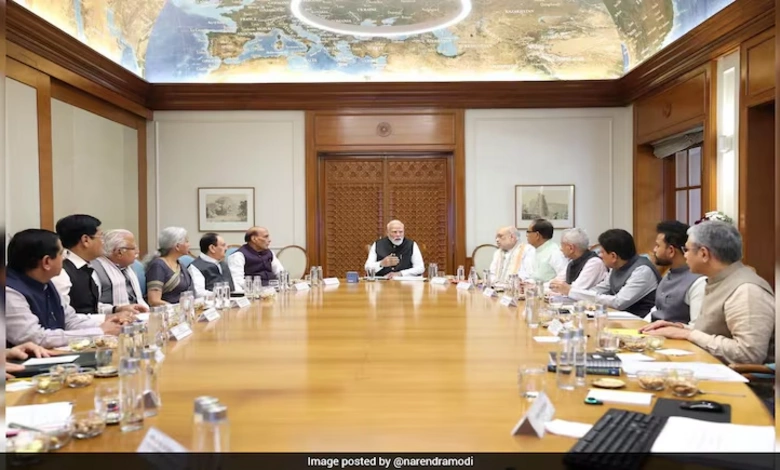
New Delhi: Prime Minister Narendra Modi presided over a session of the Cabinet Committee on Security (CCS), focusing on strategies to mitigate the repercussions of the ongoing conflict in West Asia, particularly concerning the supply of essential commodities and energy security.
The CCS, India’s apex body for decisions on national security and strategic issues, conducted a thorough evaluation of the availability of vital goods for everyday citizens, encompassing food, energy, and fuel supplies. PM Modi described the situation as dynamic and one that impacts the global community, stressing the need for comprehensive actions to protect Indian citizens from its adverse effects.
In an official government statement, the committee resolved to maintain sufficient coal stockpiles at power plants to avert any electricity shortages. Discussions also covered steps to diversify sourcing for petrochemicals, chemicals, pharmaceuticals, and other industrial inputs.
To bolster food security, measures were reviewed to ensure steady fertiliser availability, including exploration of alternative import channels for the long term.
ALSO READ : Iran Vows to Fully Shut Strait of Hormuz in Retaliation if US Targets Power Plants
PM Modi shared details of the deliberations on X, stating: “Chaired a meeting of the CCS to review the mitigating measures in the wake of the ongoing conflict in West Asia. We had extensive discussions on short, medium and long term measures, including ensuring continued availability of fertilisers for farmers, diversifying import sources for key sectors, promoting exports to new destinations and more. We are committed to safeguarding our citizens from the impact of the conflict.”
The meeting featured a comprehensive presentation by the Cabinet Secretary on the international scenario and remedial actions already implemented or proposed by various ministries and departments.
Broad-ranging talks addressed anticipated effects and countermeasures across sectors such as agriculture, fertilisers, food security, petroleum, power, micro, small and medium enterprises (MSMEs), exporters, shipping, trade, finance, supply chains, and other impacted areas. The broader macroeconomic outlook for India and additional required steps were also examined.
Looking forward, the CCS explored opportunities to expand export markets for Indian products.
PM Modi directed the formation of a dedicated group comprising ministers and secretaries to handle the conflict’s implications in the Middle East.
The CCS includes key members Defence Minister Rajnath Singh, Home Minister Amit Shah, Finance Minister Nirmala Sitharaman, and External Affairs Minister S Jaishankar, with PM Modi at the helm.
These proactive discussions underscore the government’s priority on shielding the public from external disruptions while maintaining economic stability.
-
-

-
-