New Delhi : A war being fought thousands of kilometres away in Iran is quietly reshaping menus in restaurants and canteens of PGs and courts across India. A shortage of LPG, largely used for cooking, triggered by disruptions in shipments through the Strait of Hormuz, has forced restaurants in cities like Delhi, Mumbai, and Bengaluru to prune their menus.
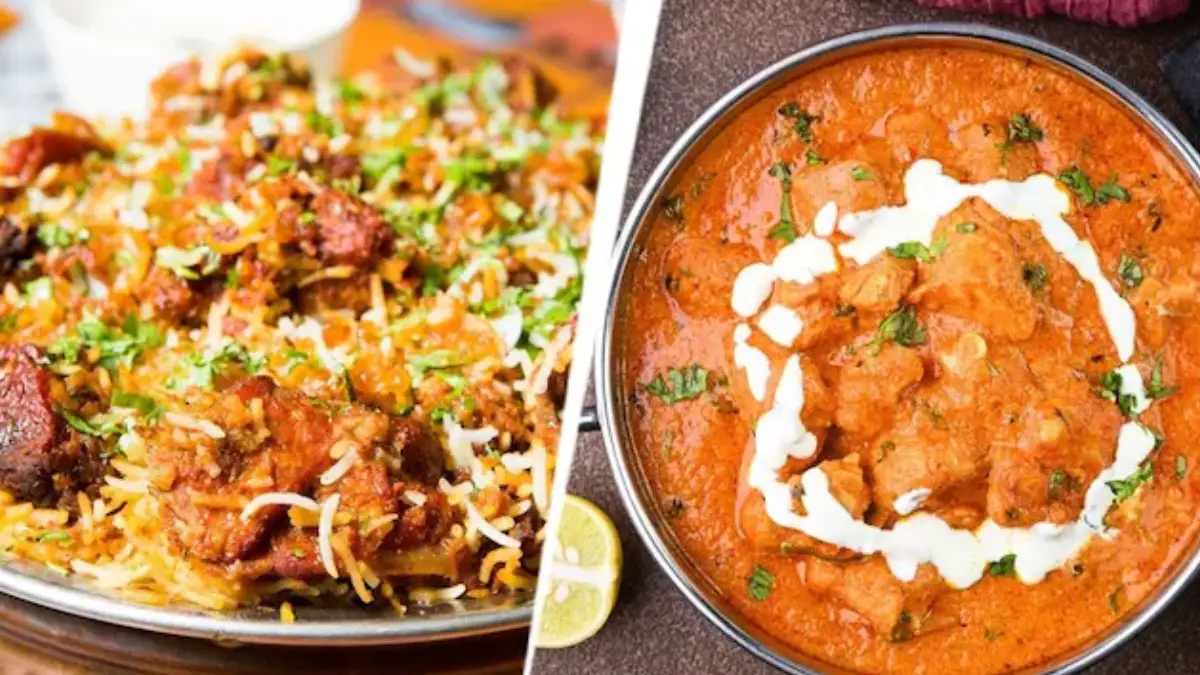
But why this bhed bhav (discrimination), you would ask? The answer is not due to taste or any bias, but in the consumption of LPG or fuel. Behind this is a grim reality — 90% of restaurants in India rely on LPG cylinders to run their kitchens. Very few have transitioned to alternatives such as PNG connectivity or electric cooking systems. Thus, with restaurants struggling to secure commercial LPG cylinders, the first change has been to slash gravy-based dishes, which are largely cooked on gas.
Dosa joints are particularly feeling the pinch. Items like uttapam and masala dosa require a lot of fuel, as the tawa used to make these dishes needs constant heat. For example, Arun Adiga, owner of Vidyarthi Bhavan, an 83-year-old heritage eatery in Bengaluru, has decided to reduce the number of tawas used for making dosas so that LPG cylinders can last longer. “If I don’t have gas, I will have to shut down. I have already put off two tawas to conserve gas,” Adiga told India Today.
Even the canteen of the Delhi High Court, a popular hangout for lawyers, has been struggling with the shortage of LPG cylinders. Thus, main course items like biryani, dal makhani and shahi paneer have slipped off the menu. A notification issued by the canteen said only sandwiches, salads, and fruit chaats would be available. Even the humble samosa has been sent to the gallows.
-
-

-
-