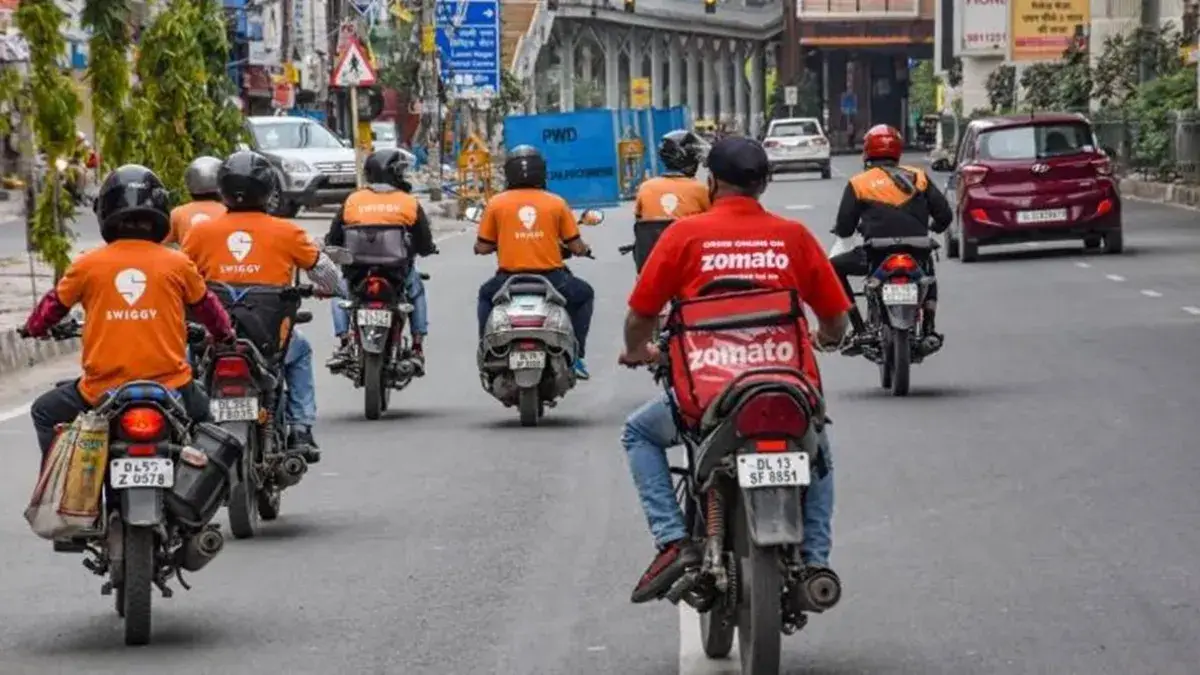
Gig workers across India are preparing for a significant nationwide mobilization in 2026 to press for formal recognition, fair treatment, and essential protections in the gig economy.
Workers in food delivery, ride-hailing, logistics, e-commerce, domestic help, and other platform-based services remain classified outside traditional ‘worker’ status. This leaves them exposed to fluctuating earnings, precarious employment, and minimal safeguards, fueling growing frustration.
The Gig and Platform Service Workers Union has outlined a two-phase protest strategy. On January 26, 2026, participants will launch an ‘online strike’ by logging off and keeping their apps inactive, disrupting platform operations digitally. This will be followed by large-scale street protests across the country on February 3, 2026.
Women gig workers are expected to play a leading role in the action, as they confront amplified vulnerabilities. They frequently report facing verbal abuse, threats, and physical aggression when pushing for equitable pay or addressing grievances. Social media footage has captured multiple such cases. When complaints are raised with platforms, responses are often inadequate, and accounts are abruptly deactivated—severing income sources without notice or clear cause.
ALSO READ : Blinkit Drops 10 Minute Delivery Branding After Centre Steps In Over Gig Workers’ Strike
The union has highlighted problematic company practices, including non-transparent algorithms for task allocation, performance ratings, and combined orders. Workers also cite repeated pay rate reductions and harsher penalty structures that further diminish take-home earnings.
Among the core demands directed at the government are:
- Passage of a dedicated, standalone central law governing gig and platform workers.
- Formal designation as ‘workers’ entitled to social security, healthcare access, and insurance.
- A ban on sudden, unexplained account blocking, along with an effective complaint resolution framework.
- Mandatory SOS emergency buttons in apps and robust measures to prevent sexual harassment, specifically for female workers.
- Compulsory consultation with workers prior to any alterations in terms or conditions of service.
The union has called on lawmakers, trade unions, women’s rights groups, and the wider public to back the campaign. The effort seeks to emphasize that gig workers are essential contributors to the economy, not anonymous cogs, and deserve respect, security, and equitable labor rights.
-

-

-

-