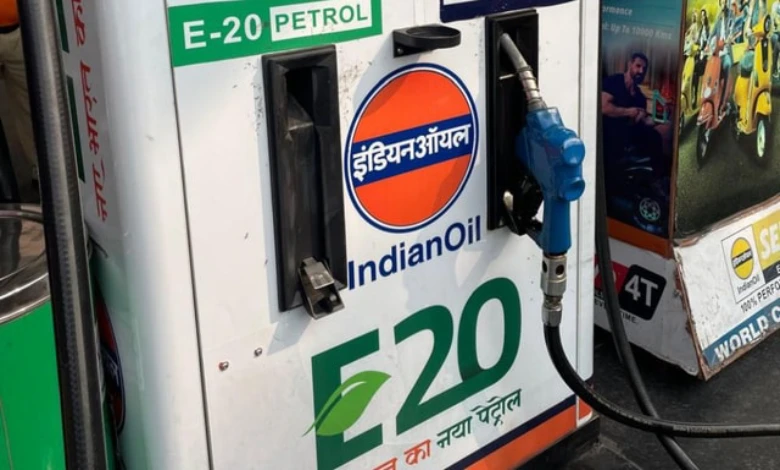
The Ministry of Petroleum and Natural Gas has stated that using E20 petrol, which contains 20% ethanol blended with petrol, cannot serve as grounds for rejecting a vehicle insurance claim. This clarification addresses circulating concerns that ethanol-blended fuel might lead insurers to deny coverage.
A recent social media post from a political organisation urged vehicle owners to use E20 without hesitation, describing reports of insurance claim rejections linked solely to the fuel as unfounded. The ministry had previously released a detailed note countering several misconceptions about ethanol-blended petrol. These included worries over insurance validity, potential engine damage, and other unverified effects.
Officials examined claims that E20 could void insurance policies and determined them to be inaccurate. The ministry also rejected assertions that the fuel causes widespread engine failures or draws insects, noting a lack of scientific support for such statements. The Ethanol Blending Programme, it emphasised, rests on established scientific validation and involves collaboration with oil marketing companies, automobile manufacturers, and fuel-testing agencies.
Since the introduction of E20 petrol in 2023, authorities report no significant instances of engine failures or vehicle breakdowns directly attributed to the ethanol blend. Ethanol used in the blending process is produced through standard industrial methods and adheres to strict quality standards before being mixed with petrol.
The programme forms part of broader efforts to promote alternative fuels and reduce dependence on conventional petrol. By clarifying these points, the ministry aims to reassure vehicle owners that standard insurance coverage remains intact when using the approved blended fuel. Consumers are encouraged to rely on verified information from official sources when addressing questions about fuel compatibility and related policies.
This stance supports the continued rollout of higher ethanol blends across the country while addressing public doubts through factual responses.
-

-

-

-