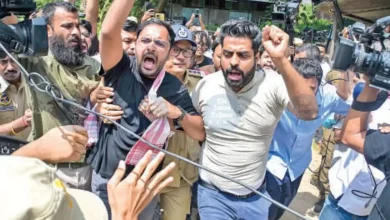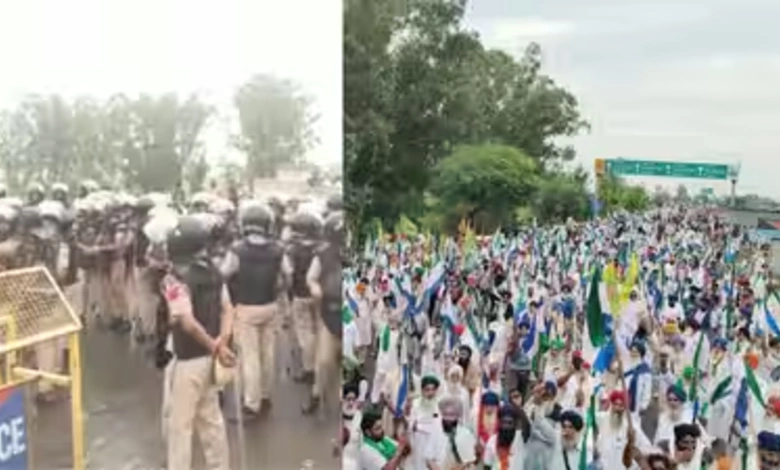
Farmers from Punjab and neighbouring states attempted to proceed to Delhi to participate in a major gathering protesting the proposed India-US trade agreement. Haryana police sealed the Shambhu border on the Punjab-Haryana line, preventing many protesters from advancing further and leading to demonstrations at the site.
The action mirrored security measures taken during previous farmer movements, including the 2024 Delhi Chalo protest that resulted in prolonged sit-ins at border points. Farmers accused both state governments of restricting their movement, with some Haryana-based groups managing to head towards the capital from areas like Ambala and Kurukshetra.
Organisations including the Kisan Mazdoor Sangharsh Committee and others coordinated convoys from different parts of Punjab. Leaders expressed strong opposition to the bilateral trade deal, noting that negotiations could cover agriculture, dairy, industry, digital trade, investment, and services. They highlighted concerns that increased market access for US products, supported by substantial American subsidies, might threaten livelihoods of small and marginal Indian farmers, dairy producers, and related small enterprises.
The sector supports around 80 million rural families, and any adverse effects could impact the broader rural economy. Protesters demanded full transparency, public disclosure of documents related to the agreement, and comprehensive consultations with stakeholders before any final decisions.
The planned Kisan Mahapanchayat at Kisan Ghat aimed to voice these reservations and call for cancellation of the proposed free trade agreement. Farmers from Punjab, Haryana, and Himachal Pradesh participated in the mobilisation.
The situation underscores ongoing tensions between agricultural communities and government policies on international trade. As farmers gathered at the sealed border, they continued to press for their right to peaceful protest and dialogue on issues affecting their future. Authorities maintained heightened security to manage the movement while farmers vowed to sustain their demonstration until their concerns receive adequate attention.
-
-

-
-