
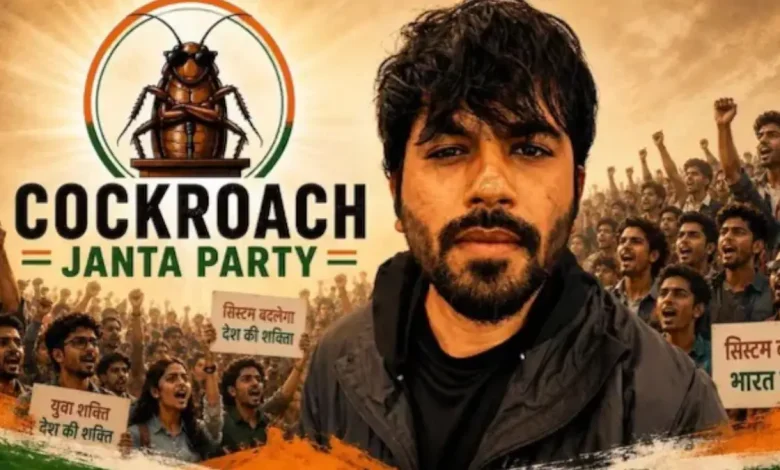
NEW DELHI: The Delhi High Court on Friday issued notices to the Union government and the social media platform X in response to a petition filed by Abhijeet Dipke, founder of the Cockroach Janta Party (CJP), contesting the suspension of the group’s official X account.
The satirical online movement, which rapidly gained massive popularity among young users, saw its primary X handle withheld in India earlier this month. The petition challenges the blocking action, which the petitioner attributes to government intervention on national security grounds.
According to reports, the CJP’s X account was suspended following a surge in its visibility, triggered by a politically charged online campaign linked to a remark made by Chief Justice of India Surya Kant comparing certain unemployed youth to cockroaches. The comment sparked widespread debate, prompting Dipke, a student from Boston University, to launch the CJP as a platform for memes, political satire, and commentary on issues like unemployment, exam leaks, and farmer concerns.
The group quickly transformed into a viral phenomenon, attracting millions of followers and nearly 10 lakh membership sign-ups. It positioned itself as a hub for Gen Z and millennial-driven sarcasm targeting systemic issues. However, the momentum faced hurdles, including the suspension of its X account and the temporary takedown of its membership website. Dipke had previously criticized the BJP-led Centre, describing the actions as “dictatorial.”




ALSO READ : Airlines Cut Domestic Flights, Mumbai, Delhi, Bengaluru Most Affected
The original X handle was blocked on May 21, after which the group re-emerged with a new handle, ‘Cockroach is Back’, which has since garnered over 2,35,000 followers. The petition by Dipke is listed for further hearing before Justice Purushaindra Kumar Kaurav.
This development comes amid a broader online crackdown, with the founder also alleging earlier hacking of the party’s Instagram and X accounts before their suspension. The Delhi High Court’s decision to issue notices underscores the legal scrutiny over government directives affecting digital platforms and freedom of expression in the online space.
The case highlights the tensions between regulatory actions on social media and the rise of unconventional, youth-led digital movements in India.