
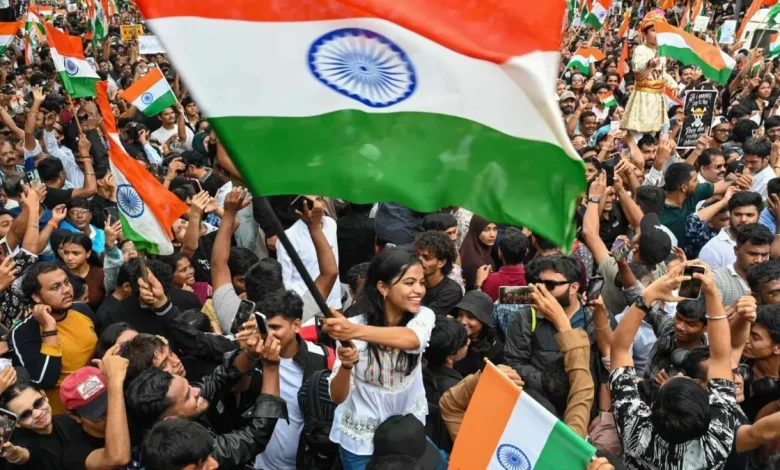
New Delhi: The Cockroach Janta Party (CJP), a satirical political movement that has gained a substantial following online, has accused Meta of restricting Instagram accounts and removing posts linked to its members ahead of a planned October 10 protest over the Special Intensive Revision (SIR) of electoral rolls. The allegations have renewed questions about online censorship, government directions to social media platforms and the transparency of content blocking decisions in India.
CJP founder Abhijeet Dipke alleged on X on October 6 that Meta was acting at the government’s request to restrict accounts associated with the movement. He claimed the action was intended to curb the group’s online activity before the demonstration. Neither the allegations of government involvement nor the full scope of the reported restrictions has been independently established.
The proposed protest centred on objections to the SIR exercise, with CJP demanding accountability from Chief Election Commissioner Gyanesh Kumar. The organisation urged supporters to mobilise for the October 10 demonstration. Separately, activist Ashutosh Ranka claimed that he, Dipke and CJP spokesperson Saurav Das could face arrest before the protest under the National Security Act or other legal provisions. The claim was an allegation, not confirmation of an arrest order.
The Instagram crackdown is not going to work!
The government is taking down thousands of posts and accounts every day, but it seems to be missing a fundamental point.
Instagram is just a platform where people are raising their questions. The reasons behind those questions exist…— Abhijeet Dipke (@abhijeet_dipke) October 28, 2026


The latest accusations follow earlier complaints from CJP members about Instagram content being removed despite, they said, not violating the platform’s Community Guidelines. In September, Dipke questioned why posts criticising the government were being taken down, while Das alleged that his account had been restricted, posts removed and Instagram’s collaboration feature disabled for several days.
The movement has faced social media disruptions before. In May, Dipke alleged that CJP’s online accounts had been targeted, including its X handle being withheld in India and Instagram accounts being compromised. In July, the group’s Instagram account was briefly blocked before being restored. A report, citing unnamed sources, said the government advised that specific content could be blocked but that blocking the entire account was not warranted.
These incidents have put the spotlight on the process through which authorities seek restrictions and platforms implement them. India’s Information Technology Act provides legal mechanisms for blocking online content, but the legal basis for each reported action and the precise orders involved need to be assessed individually.
Meta’s role, the government’s response and the reasons behind each restriction remain central questions. Until relevant notices and official explanations are available, claims of a coordinated political crackdown should be treated as allegations rather than established findings.
ALSO READ: Kochi Police Commissioner Removed Amid Mercedes Hit-and-Run Case Controversy