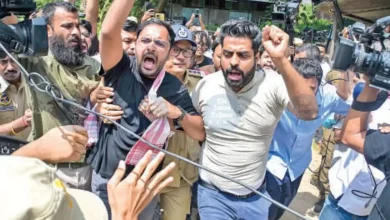
The general strike, called by fourteen central trade unions—including the All India Trade Union Congress (AITUC)—has received backing from employees and teachers in central and state civil services, workers in public sector undertakings, independent unions, and organisations representing agricultural, rural, and informal sectors. Farmers’ groups such as the Samyukta Kisan Morcha (SKM) have joined, along with support from Left parties and the VCK in Puducherry.
AITUC General Secretary Amarjeet Kaur told that participation is expected to exceed the 25 crore workers involved in the July 9, 2025 strike, with the action now projected to impact around 600 districts—up from roughly 550 previously. She highlighted that Odisha and Assam face near-total shutdowns, while other states will see substantial effects based on local mobilisation.
The protest centres on demands to repeal the four labour codes, restore the original framework of the Mahatma Gandhi National Rural Employment Guarantee Scheme (MGNREGS), reverse measures viewed as undermining civil services, reinstate the old pension scheme, and scrap the National Education Policy (NEP) 2020. Farmers have additionally criticised the India-US interim trade framework, arguing it endangers Indian agriculture.
ALSO READ : Guidelines On Vande Matram : Play National Song Before National Anthem
Services Likely Impacted
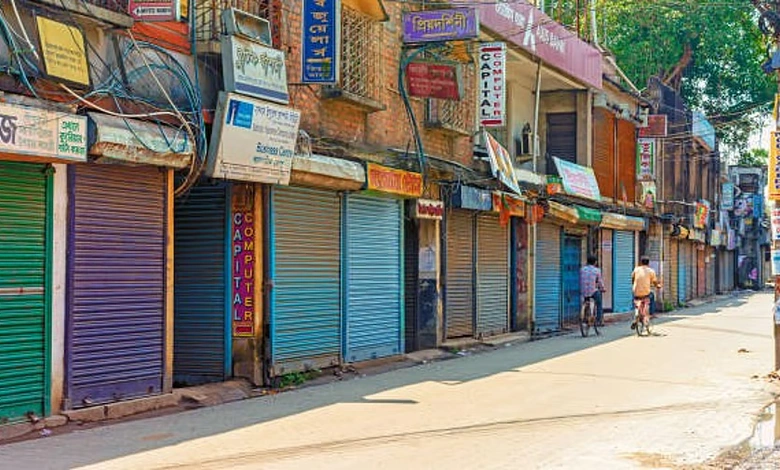
Public sector banks face notable risk, as major unions including the All India Bank Employees’ Association (AIBEA), All India Bank Officers’ Association (AIBOA), and Bank Employees Federation of India (BEFI) support the call. Although no official holiday has been declared by the Reserve Bank of India or individual banks, operations may experience delays, reduced staffing, or partial closures in affected regions. Government offices, public sector units, state-run transport (buses and auto-rickshaws), wholesale markets, and many retail shops are expected to see closures or heavy disruptions, particularly in areas with strong union influence. Commuters could encounter road blockades or “chakka jam,” making it challenging to reach railway stations or airports, even as train and flight schedules remain in place.
Services Expected to Continue
Essential services are largely exempt to limit public hardship. Hospitals, ambulances, medical facilities, airports, private offices, ATMs, and pharmacies should operate normally. No nationwide holiday applies to educational institutions, though schools and colleges in states such as Kerala, Odisha, and West Bengal may remain closed due to significant local backing—parents and students should verify with respective authorities.
In Maharashtra, including Mumbai, the impact appears moderate compared to states like Odisha and Assam, with no statewide school closures announced and services varying by local participation.
The strike reflects deep-seated grievances over economic and labour reforms, with union leaders indicating readiness for escalated action if core demands remain unaddressed.
-
-

-
-