
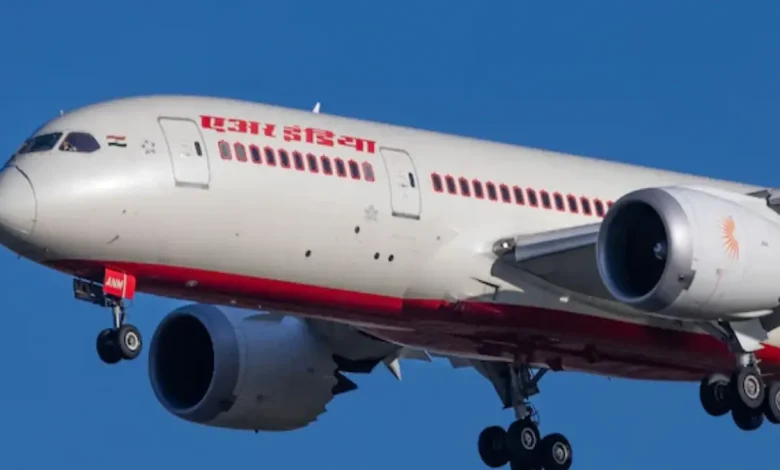
Air India has announced a phased increase in fuel surcharges on both domestic and international routes, attributing the move to a sharp surge in aviation fuel prices driven by the deepening geopolitical crisis in West Asia.
The airline stated that soaring global jet fuel costs, triggered by instability across key oil-producing areas in the Gulf region, made the surcharge revision unavoidable. Airlines around the world have been grappling with mounting operational pressure as energy prices climb amid fears of supply disruptions.
The revised surcharges will be rolled out in stages and will cover tickets on both domestic and international sectors. Air India said the measure is aimed at partially absorbing the higher fuel burden while sustaining operational stability across its network.
The spike in aviation fuel costs comes in the wake of a broader regional escalation involving Iran, Israel, and the United States, which has intensified concerns over energy supply security in the Gulf — a critical corridor for global oil exports. Even the threat of supply interruptions has been enough to push fuel costs significantly higher for airlines and transport companies alike.




For aviation carriers, fuel is typically among the single largest components of operating expenditure, leaving airlines especially exposed to swings in global oil prices.
Air India said the surcharge adjustment is designed to help the carrier manage the financial impact of prevailing market conditions while maintaining uninterrupted service during the ongoing period of geopolitical uncertainty.
Also Read: Rijiju Mocks Rahul Gandhi’s 2018 Hug-And-Wink In Lok Sabha; Priyanka Fires Back
Industry voices have also flagged wider risks for India’s aviation sector. SpiceJet chairman Ajay Singh warned that Indian carriers may be forced to revisit expansion plans if crude prices remain elevated, even at around $90 per barrel.
“We don’t know where things are really going,” Singh told Bloomberg, adding that domestic airfares are unlikely to hold steady, as airlines may have little choice but to introduce or broaden fuel surcharges.
Singh indicated that carriers will likely need to pass on a portion of the increased costs to passengers, despite the high price sensitivity of the Indian travel market — suggesting domestic fares could see an uptick in the near term.
Indian airlines including IndiGo, Air India, and SpiceJet are among the carriers most exposed outside West Asia as the Iran conflict enters its second week.