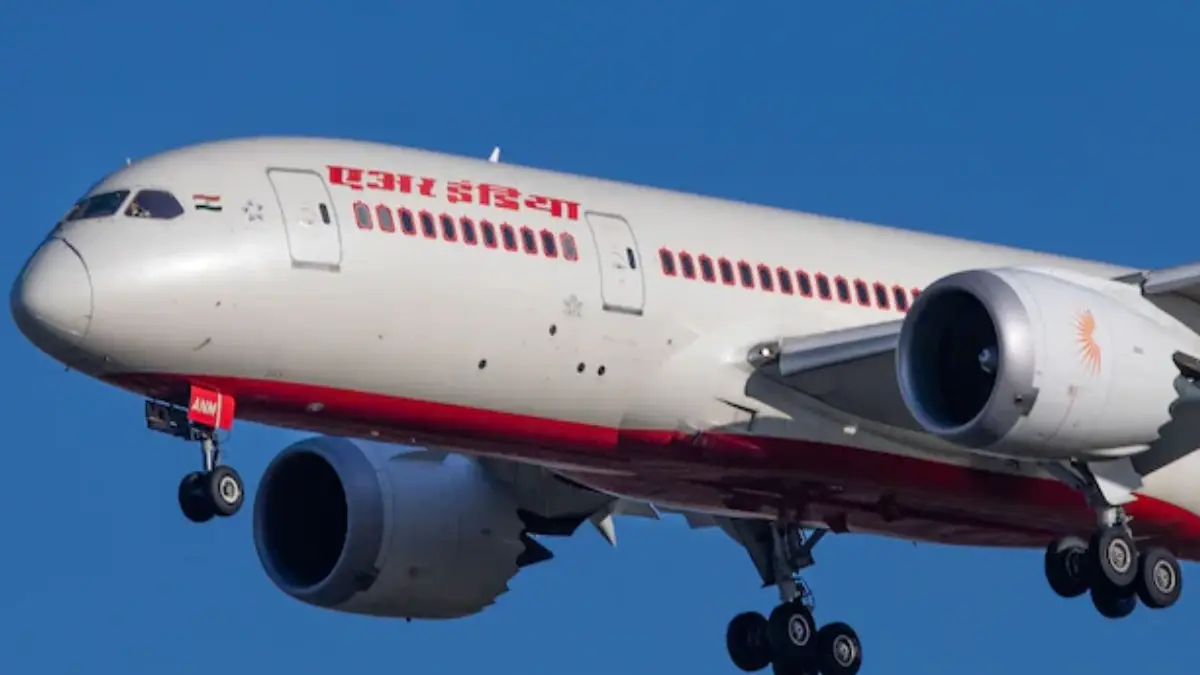
Mumbai: Another Air India Boeing 787 Dreamliner experienced an uncommanded movement of its fuel control switch, this time at London Heathrow Airport, casting fresh doubt on the ongoing investigation into the deadly June 12, 2025, crash of a similar aircraft in Ahmedabad that claimed multiple lives.
The incident took place on February 1, 2026, during pre-flight engine startup for Air India flight AI-132, a Boeing 787-8 registered VT-ANX, scheduled to depart Heathrow at 9:05 pm bound for Bengaluru. Sources familiar with the matter said a crew member tested the left engine fuel control switch by applying light pressure to verify the locking mechanism. The switch moved from the “run” to “cut-off” position without the mandatory lift action, indicating a failure of the safety feature designed to prevent accidental interruption of fuel supply and possible engine flameout.
Boeing 787 fuel control switches are engineered with a deliberate two-step process: the switch must first be pulled upward before it can be toggled between positions, a safeguard against inadvertent shutdowns.
The same switch failed the lock test a second time when pressed again. On the third attempt, however, it remained secure and did not move without being lifted. The flight eventually departed around 9:40 pm and landed safely in Bengaluru, where the aircraft was promptly grounded for detailed inspection.
This event carries significant weight for India’s Aircraft Accident Investigation Bureau (AAIB), which in its preliminary July 2025 report on the Ahmedabad tragedy noted that both fuel control switches on the crashed aircraft shifted to “cut-off” shortly after takeoff. Cockpit voice recorder transcripts captured one pilot asking the other why the fuel had been cut off, with the reply firmly denying any such action. At that stage, the AAIB stated no technical or design defects had been identified, leaving open the implication of deliberate crew intervention.
In response to the crash, the Directorate General of Civil Aviation (DGCA) directed Air India to inspect the fuel switch locking systems across its entire Boeing 787 fleet. The airline subsequently reported completing the checks with no anomalies detected.
Aviation sources said the Heathrow episode underscores persistent concerns about the switch’s locking reliability, potential design vulnerabilities, and the risk of unintended activation. One senior commander told the Times of India that the incident directly undermines the theory of intentional pilot action in the Ahmedabad case. “It demonstrates that uncommanded switch movement due to mechanical failure or other issues is entirely plausible,” the commander said, adding that previous fleet-wide clearances now appear questionable if the defect only manifested later, possibly due to inadequate diagnostic testing.
ALSO READ : US Group Claims Air India 787 Had Years of Faults Before Fatal Ahmedabad Crash
Air safety specialist Capt Amit Singh highlighted the gravity of the recurrence, pointing to a 2018 advisory from the US aviation regulator warning of potential malfunctions in Boeing 787 fuel control switches that could result in accidental engine shutdowns. “Coming after Air India’s confirmed inspections found nothing and during an active crash probe, this demands rigorous regulatory follow-up,” he said.
Air India confirmed it had received a pilot report of a potential defect on the fuel control switch of one Boeing 787-8. The carrier grounded the jet immediately and is working with the original equipment manufacturer (Boeing) for urgent verification. The issue has been notified to the DGCA. The airline reiterated that earlier DGCA-mandated checks on all its Boeing 787 fuel switches revealed no problems.
Boeing stated it is in touch with Air India and assisting in the review.
-

-

-

-