Gujarati Actor Vikram Thakor Defies Community’s DJ Ban, Offers Support To Defiant Artists
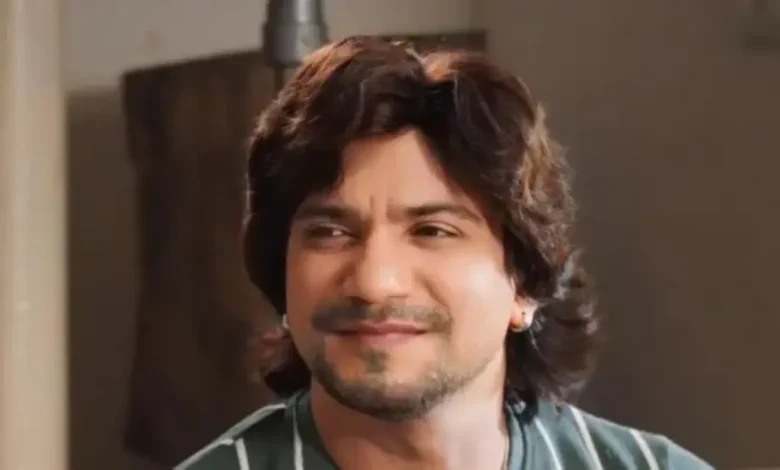
Ahmedabad: Gujarati film actor Vikram Thakor has openly challenged the Thakor community’s recent decision to ban DJ music at weddings and social events. Speaking at a public event, Thakor criticized the ban as misguided and pledged his support to artists facing unemployment due to the restriction, stating that if anyone attempts to enforce the ban, they should contact him directly.
The controversy stems from a recent Thakor community convention held in Banaskantha, where community leaders established a comprehensive code of conduct covering various aspects of social life. The new regulations addressed multiple issues including education for daughters, prohibition of tobacco and other addictive substances, and measures to reduce excessive expenditure at weddings and death ceremonies. Among these rules was a specific prohibition against bringing large DJs to wedding processions.
The enforcement of these rules came to a head when popular artists Gabbar Thakor and Arjun Thakor violated the DJ ban by bringing sound systems to a wedding procession. Videos of the incident went viral on social media, prompting swift action from community leaders. Both artists were unanimously expelled from the community for one year, with leaders citing repeated violations of community traditions, rules, and discipline. The community decided to withdraw all social, economic, and business support from the two artists.
However, Vikram Thakor has now emerged as a vocal supporter of the expelled artists. During a program, he questioned the rationale behind the DJ ban, revealing that he had previously appealed to community leader Geniben during the convention at Sector 11. According to Thakor, Geniben had indicated that while he personally did not draft the constitution, other leaders from the Banaskantha Thakor community had collectively created the framework.




While acknowledging that the community leaders had done commendable work in eliminating harmful customs from the Thakor community, Vikram Thakor strongly disagreed with the DJ ban. He argued that the restriction has left numerous DJ artists unemployed and highlighted a fundamental misunderstanding among the community leaders about what DJ entertainment actually represents.
Thakor challenged the community’s reasoning that DJ music leads to drinking and fights. He stated that community leaders were claiming that playing DJs would gather crowds who would dance, drink alcohol, and get into altercations. He countered this argument by pointing out that people inclined to drink will do so regardless, and those prone to fighting will fight anyway, even with traditional drums. Therefore, he concluded, the notion that banning DJs would bring improvement to the community is fundamentally flawed.
The actor firmly declared his position on the matter, emphasizing that the DJ ban would not be implemented in his area. He warned that if anyone attempts to enforce the ban, they should call him, making it clear that he views the decision as incorrect and harmful to artists’ livelihoods.
The comprehensive new regulations implemented by the Thakor community extend far beyond the DJ ban. During engagement ceremonies, only 21 people combined from both bride and groom’s sides are permitted to attend, with gifts limited to one rupee cash, coconut, and one pair of clothes. Weddings can only be held during two months of the year, with the wedding party restricted to a maximum of 100 people and 11 vehicles.
The rules prohibit sunroof vehicles and long vehicle convoys that block roads. Instead of DJs or large loudspeakers, only two traditional drums and a shehnai are permitted. Old expensive customs such as wedding registration ceremonies, dhundh, and odhamana have been completely abolished. Elaborate turmeric ceremonies and other ostentatious events are banned.
The menu at wedding feasts must be limited in variety, with only one type of sweet dish allowed. For maternal uncle’s gifts, instead of expensive jewelry, cash amounts ranging from 11,000 to 1,51,000 rupees are prescribed. Death ceremony meals are restricted to simple khichdi and kadhi only. Birthday celebration expenses should be donated to educational institutions or libraries instead.
The community has also imposed a strict ban on alcohol and all intoxicating substances at any social or family occasion. Children above 10 years of age are counted as adults when calculating the number of wedding party attendees.
This public disagreement between a prominent community member and established community leadership highlights the tension between traditional governance structures and individual artists’ economic interests, as well as differing views on what constitutes appropriate social reform within the Thakor community.