
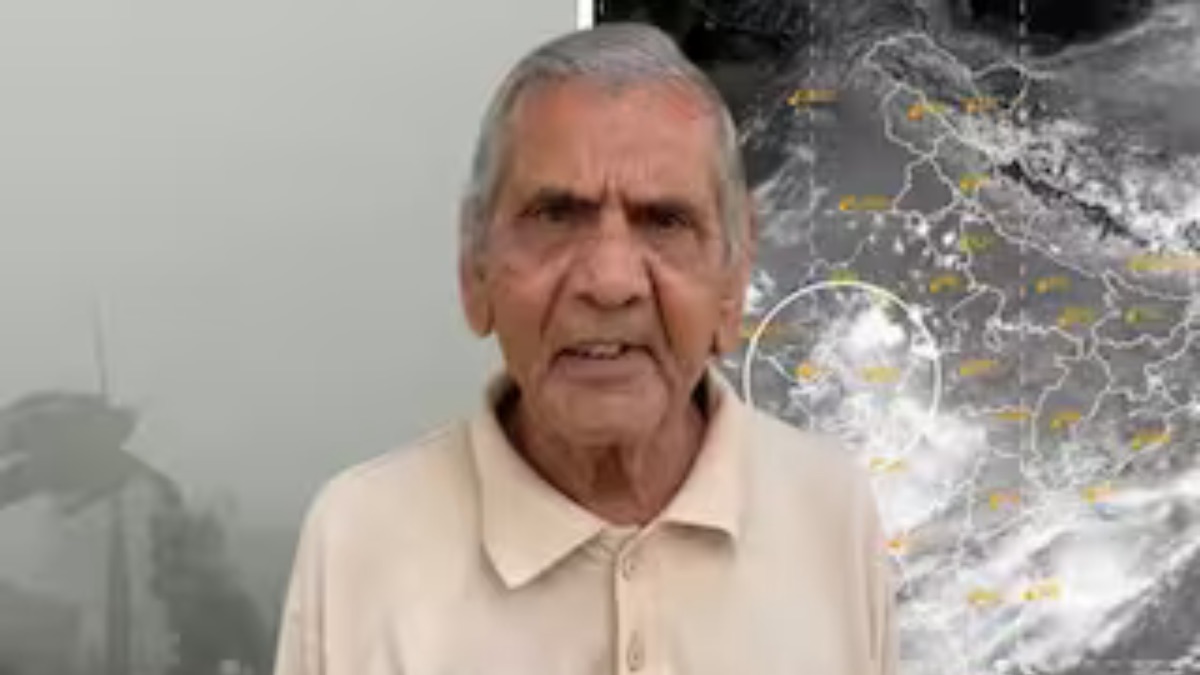
Ahmedabad: Renowned weather expert Ambalal Patel has warned of substantial changes in Gujarat’s weather patterns toward the end of March, with unseasonal rainfall likely to impact various parts of the state.
According to reports from Sandesh.com, Patel predicts that the last week of March could bring notable alterations to the prevailing hot and dry conditions. This includes the possibility of sudden shifts, such as cloudy skies, scattered showers, and potentially stronger winds in affected regions.
Multiple sources, including social media updates and news clips referencing Patel’s forecasts, indicate that unseasonal rain (often termed “mavthu” or “mavathu” in local parlance) may occur between March 18 and 25, or extending into the closing days of the month. He has highlighted risks to standing crops, particularly wheat, cumin, and vegetables, due to the untimely precipitation and associated gusty winds.
Patel attributes these developments to active western disturbances influencing the region’s atmosphere, leading to pre-monsoon-like activity amid rising summer temperatures. In earlier related predictions around mid-March, he noted potential for thunderstorms, hail in select northern areas, and wind speeds reaching up to 40 kmph, which could cause minor damage to agricultural fields.
Farmers and residents in North Gujarat, Central Gujarat, South Gujarat, and parts of Saurashtra have been advised to remain vigilant and take precautionary measures against possible disruptions from rain, thunder, and gusts. Patel’s outlook suggests that while heat may provide brief relief during rainy spells, the overall pattern points to continued variability before conditions stabilize.
As of now, these are based on Patel’s private weather analysis and disseminated through media outlets like Sandesh and other Gujarati news platforms. Official forecasts from the India Meteorological Department (IMD) may vary, but Patel’s predictions have garnered attention for their focus on local agricultural implications during this transitional period.
With March 2026 already witnessing temperature spikes in parts of Gujarat, this anticipated late-month change could offer temporary respite from the heat even as it poses challenges for ongoing rabi harvest activities.
Commuters, farmers, and the public are encouraged to monitor updates from reliable sources for any real-time adjustments to these expectations.
-

-

-
-
