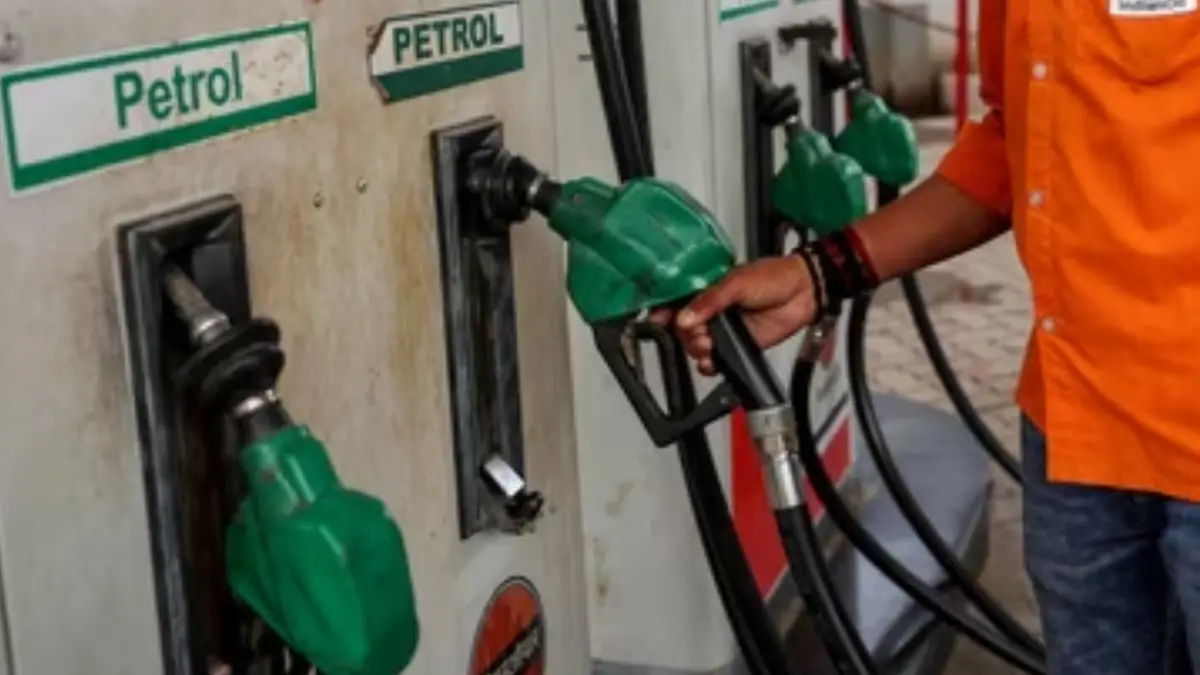
Ahmedabad: The escalating conflict between Iran and the America-Israel alliance has begun disrupting crude oil supply chains, with its effects now hitting petrol pumps across Gujarat. Petroleum companies have slashed petrol and diesel deliveries to retail outlets by half, triggering concerns of a wider fuel shortage across the state.
Pumps that previously received four tanker trucks of fuel daily are now getting just two. Bulk supply to large consumers has been suspended entirely, a move that is expected to weigh heavily on industries dependent on high-volume fuel procurement.
Rajkot: Temporary Disruption, Supply to Resume in 8 Days
In Rajkot, Indian Oil Corporation (IOC) pump dealers have formally raised the supply issue with the company. Dhimant Ghelani, Secretary of the Federation of Gujarat Petrol-Diesel Dealers Association, clarified that the current disruption is largely on account of a two-day holiday period affecting the supply chain.
“Currently, 7 IOC petrol pumps are closed in Rajkot city, while around 2 pumps are closed in other cities. There is no actual shortage of petrol or diesel the situation will normalise within eight days,” Ghelani said.
He added that IOC has introduced a new provision allowing two dealers to jointly lift a stock of 20,000 litres if a single dealer is unable to do so alone. The association has already made a representation to IOC officials, and earlier supply blockages have since been resolved. Dealers will now be able to place orders based on their individual requirements.
Ghelani also noted that IOC holds a 57% share in petrol and diesel supply in the region. On the diesel front, more Nayara petrol pumps remain closed, along with some Reliance outlets. For consumers who were purchasing stock directly from the company, prices have been raised by ₹22, which has had a knock-on impact on retail outlets.
Surat Bears the Brunt: From 3 Tankers to Just One
The situation is notably more severe in Surat, where fuel shortages have persisted for several days. Pumps that previously received three tankers of fuel per day are now receiving only one to one-and-a-half tankers, putting pump operators under significant strain.
Adding to the pressure, industrial consumers who previously purchased fuel in bulk directly from oil companies are now turning to retail petrol pumps following a sudden price hike of ₹12 per unit on direct supply. This shift has increased demand on retail stocks meant for the general public.
According to Anil Desai, Joint Secretary of the Surat and Tapi District Petroleum Association, oil companies have stopped accepting new bulk customers. Regular bulk supply of 2,000 to 5,000 litres that was previously directed to industries has been halted. That volume will now be redistributed across approximately 20 smaller vehicles a change that is expected to directly and adversely affect local industrial operations.
Fear of 1992-Style Quota System Returning
With supply under sustained pressure, petrol pump operators have voiced concern that a quota-based rationing system similar to the one enforced during the 1992 wartime period — may be reintroduced. Should supply conditions fail to improve, vehicle owners could be restricted to limited quantities of fuel per purchase. The uncertainty has already sent a wave of anxiety through the transport and manufacturing sectors.
Oil Companies Revise Depot Timings
To manage available stock, oil companies have also adjusted depot operating hours. Vehicles that previously began fuelling at 7 AM are now being attended to only from 8 AM onwards. The companies have reportedly curtailed their working hours as a measure to preserve stock levels while avoiding any official denial of supply.
Broader Outlook
The Iran-US conflict continues to exert pressure on global crude oil supply chains. Industry observers warn that if a 50% supply cut is sustained over an extended period in a major industrial hub like Surat, it could contribute to a broader rise in commodity prices. The local petroleum association said it is closely monitoring developments and awaiting directions from the district Collector before taking further steps.
-

-

-

-