
12 Villages in Chhota Udaipur Still Lack Paved Roads: Over 15,000 Residents Struggle for Basic Amenities
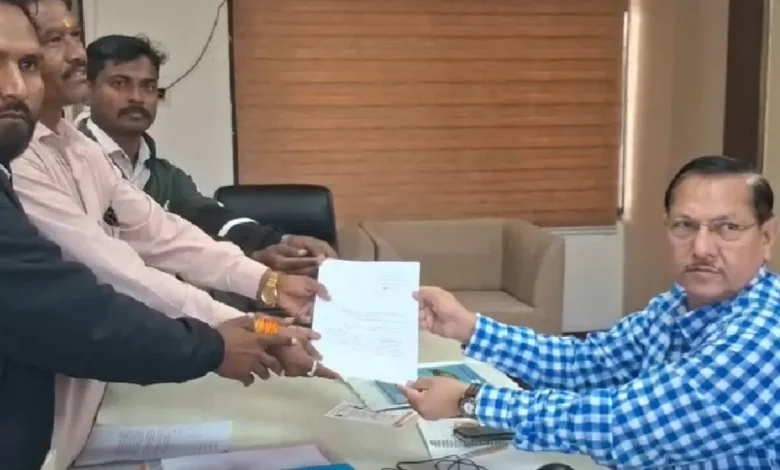
Ahmedabad: Approximately 12 remote villages under the Antroli group of Chhota Udaipur taluka are facing a severe crisis due to the absence of paved asphalt roads. The lack of proper road infrastructure has left more than 15,000 residents deprived of basic facilities including healthcare, education, and transportation. Former sarpanch Rupsinh Rathwa has submitted a memorandum to the Additional Collector highlighting these concerns.
Rathwa alleges that even 78 years after independence, these 12 villages still have only unpaved roads. The poor road conditions prevent emergency services like 108 ambulances from reaching villages on time, putting the lives of patients and pregnant women at risk. During the monsoon season, these roads become completely impassable, cutting off all 12 villages from the outside world. Despite repeated complaints from local residents, no solution has been provided to date.
Hardships for Patients and Students
Expressing frustration with the administration, Rathwa stated that pregnant women, students, elderly citizens, and patients suffer the most due to the absence of proper roads. Students cannot attend school during rainy days, while patients must be carried on cots to reach hospitals. He demanded that all 12 unpaved roads be immediately sanctioned for conversion into asphalt roads, with work commencing on a war footing.


Written Appeal to Collector
In his memorandum to the Collector, the former sarpanch wrote that villages situated in the most remote rural areas of Chhota Udaipur taluka still lack paved roads even after more than seven decades of independence. The absence of roads has caused immense hardship for villagers in accessing basic amenities, emergency healthcare, educational institutions, and the district headquarters. Residents of these villages, with a combined population of approximately 15,000, have made numerous representations regarding this demand. The main road becomes impassable during monsoons, causing significant difficulties for surrounding villages as well.