
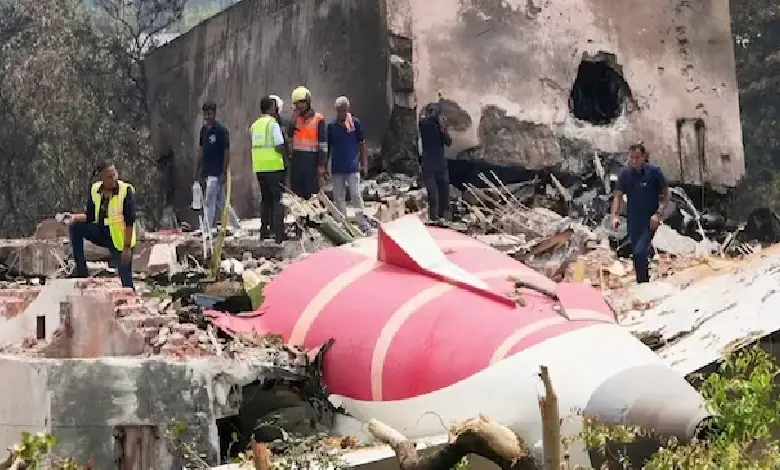
The Foundation for Aviation Safety (FAS), a US-based campaign organization, detailed these assertions in a presentation submitted to the US Senate on January 12, 2026. Sources familiar with the matter shared the information, and Hindustan Times has examined sections of the accompanying documents, though their authenticity could not be independently confirmed.
According to FAS, the aircraft—registered VT-ANB and flown by Air India—began experiencing system issues almost immediately upon entering service. The plane rolled out of Boeing’s facility in late 2011, completed its first flight in December 2013, was delivered to Air India on January 28, 2014, arrived in India on February 1, 2014, and commenced commercial flights on February 8, 2014.
The group attributes the problems to a combination of engineering, manufacturing, quality control, and maintenance deficiencies. Reported issues encompassed electronic and software glitches, frequent circuit breaker activations, damaged wiring, short circuits, intermittent power losses, smoke, fumes, electrical surges, and overheating in power distribution components. FAS maintains these persisted across the plane’s roughly 11-year service life.
Among the cited incidents: a January 2022 fire in the P100 primary power panel—a vital unit in the aft electronics bay that channels electricity from the left engine to multiple systems—resulting in extensive wiring damage and requiring complete panel replacement. In April 2022, faults in the landing gear indication system reportedly grounded the aircraft, prompting replacement of items including a proximity sensing data concentrator module and a remote power distribution unit.




ALSO READ : Air India Crash Victim Haunted by Loss, Ignores Son Amid Crushing Trauma
FAS examined more than 2,000 systems failure reports spanning about 18% of the worldwide 787 fleet, estimated at around 1,235 aircraft, describing these as merely indicative of wider concerns. The organization claims comparable electrical failures have affected other Air India 787s and aircraft registered in the United States, Canada, and Australia.
The group criticized India’s Aircraft Accident Investigation Bureau (AAIB) preliminary findings on the June 12, 2025, crash—which claimed 260 lives, including 241 passengers and crew on the London-bound flight plus 19 people on the ground after the plane struck a doctors’ hostel—for seemingly focusing on pilot actions, specifically movements of the fuel control switches. FAS likened this approach to early examinations of the Boeing 737 MAX incidents, suggesting a recurring inclination to attribute blame to flight crews.
In response, a Boeing representative stated the company would defer to the ongoing AAIB probe, consistent with International Civil Aviation Organization Annex 13 guidelines. India’s civil aviation ministry offered no comment, and Air India did not reply to inquiries.
FAS advocated for enhanced scrutiny, pressing the US National Transportation Safety Board to provide relevant data to Indian investigators, the Federal Aviation Administration to examine all documented 787 failures and inspect the fleet, and US authorities to pursue criminal probes where warranted. The organization warned that unresolved electrical and systems risks continue to endanger passengers and crews on 787 operations worldwide.