
New Delhi: India wants to reach a point where disasters no longer have to mean loss of life. But in the fragile Himalayas, that goal is proving to be a race against time.
Union Home Minister Amit Shah has called for a “zero casualty” approach to disasters, with greater focus on prevention, early warnings and preparedness instead of waiting for a disaster to happen and then rushing in with rescue teams.
The challenge is particularly serious in the Himalayan region, where glaciers are melting and several glacial lakes are growing rapidly.
A satellite study by the Indian Space Research Organisation (ISRO) found that 676 out of 2,431 glacial lakes larger than 10 hectares had expanded significantly between 1984 and 2023. Of these, 130 expanding lakes are in India. Even more worrying, 601 of the lakes had more than doubled in size during the period studied.



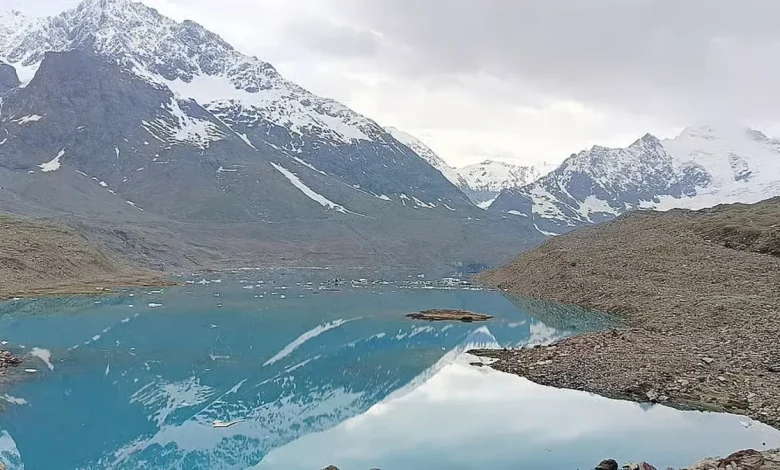
One example is Ghepang Ghat lake in Himachal Pradesh. Its size increased from around 36.5 hectares in 1989 to more than 101 hectares in 2022, a jump of about 178 per cent.
Why does this matter? A rapidly growing glacial lake can become a serious threat if its natural dam suddenly breaks. The resulting Glacial Lake Outburst Flood, or GLOF, can send huge amounts of water, rocks and debris rushing into valleys with little time for people downstream to escape.
India has already seen the consequences. In October 2023, the bursting of South Lhonak Lake in Sikkim triggered a devastating flood in the Teesta basin, damaging infrastructure and causing deaths.
Since then, authorities have stepped up efforts to identify vulnerable lakes and strengthen warning systems. Monitoring equipment, automatic weather stations, evacuation plans and other measures are being developed in high risk areas.
The government has also been pushing Himalayan states to improve preparedness for GLOFs, flash floods and avalanches. The aim is simple identify danger early, warn people quickly and move them to safety before disaster strikes.
But having a warning system is only half the battle.
A satellite can detect a growing lake thousands of kilometres away. The harder question is what happens after that information reaches the authorities. Are villages warned in time? Are evacuation routes ready? Do people know where to go? And can officials act before a few minutes of warning become a matter of life and death?
For India, the “zero casualty” target will ultimately depend on answering those questions.
The technology to see the danger is improving. Now, the real test is whether India can turn those warnings into action.
ALSO READ: HM Amit Shah To Visit Manipur In October