
Trump Weighs $100,000 Fee on Foreign Graduates for US Work Permits — Why Indian Students Should Pay Attention
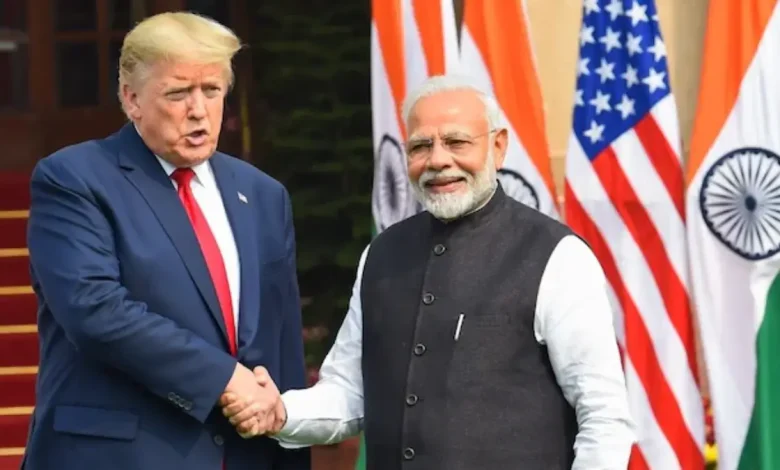
The Trump administration is reportedly considering a $100,000 fee that international students would have to pay for a shot at working in the United States after graduation, according to a Wall Street Journal report citing people familiar with the matter. The fee would be attached to the Optional Practical Training (OPT) programme, which lets foreign graduates work in the US for one to three years on their student visas a move that could hit Indian students, the largest international student group in the country, particularly hard.
The proposal is still under discussion at the Department of Homeland Security, and officials haven’t decided whether students or their employers would foot the bill. A DHS spokeswoman said no policy is final until formally announced, and that the department is exploring options to protect the integrity of the legal immigration system. DHS is also working on broader changes to OPT rules, expected to be released this fall.
Why this matters for Indian students
India sent 3,63,019 students to the US in the 2024-25 academic year, according to the Institute of International Education’s Open Doors 2025 Report more than any other country. Of those, 39 per cent were on OPT, meaning roughly 1.4 lakh Indian graduates were working in the US after finishing their degrees.
If the $100,000 fee (roughly ₹95 lakh at current exchange rates) goes through, Indian students would likely be among the worst-hit simply because they use the programme more than anyone else.




What OPT actually does
OPT lets international students on F-1 visas work in the US in jobs tied to their field of study after graduation. Most graduates get up to a year; those in STEM fields can stay employed for up to three years.
For many Indian graduates, OPT isn’t just a temporary work permit — it’s the on-ramp to an H-1B skilled-worker visa, which many hope leads to a long-term career in the US. Roughly 419,000 international graduates were working through OPT in 2024, according to government data cited in the report.
Also Read:Apple Rolls Out Device Leasing Options for US Customers
What changes if the fee lands
A $100,000 charge would upend the math for Indian families that already spend heavily on tuition and living costs to send their children to the US. Piling on another $100,000 could price the post-study work option out of reach for many, and could push prospective students toward Canada, Australia, the UK or Germany, where post-study work routes tend to be cheaper.
Universities and employers could feel it too
American universities lean heavily on international students, many of whom pay full tuition, so a drop in enrolment could hurt their finances. Tech and finance firms that use OPT to scout talent before sponsoring H-1B visas could also see that pipeline shrink.
Supporters of OPT argue it’s essential to keeping the US competitive for international talent and preventing a brain drain. Critics — including immigration restrictionists who have long targeted the programme — argue it lets companies hire foreign graduates without guaranteeing pay parity with American graduates. During Trump’s first term, senior officials pushed to scrap STEM OPT outright but were overruled.
Not a done deal — yet
The proposal hasn’t been officially announced, and it’s unclear whether the White House will approve it. It comes on the heels of a separate legal defeat for the administration: a federal appeals court last week blocked a similar $100,000 fee the administration had tried to impose on H-1B visa applicants, upholding a lower court’s ruling against it.
For now, Indian students with US study plans don’t need to panic. But if this proposal becomes policy, it could fundamentally reshape the cost-benefit calculation for thousands hoping to build a career in America.