
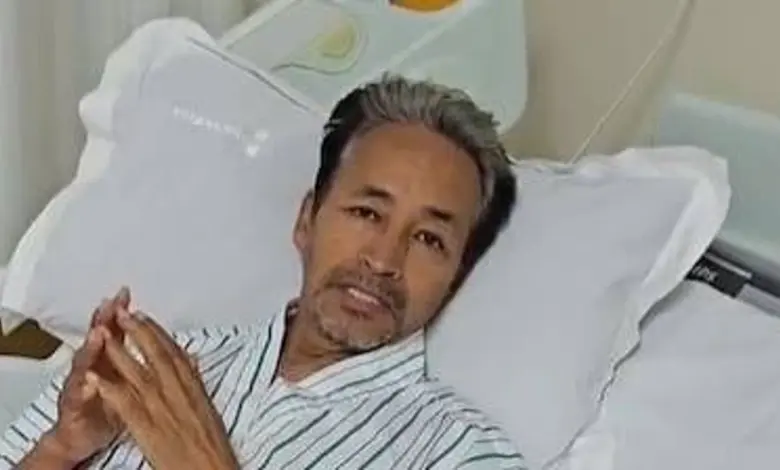
New Delhi: Social activist and education reform advocate Sonam Wangchuk has explained why he chose to end his 26 day hunger strike even though his key demand the resignation of Union Education Minister Dharmendra Pradhan remains unmet. According to Wangchuk, the decision was taken to prevent the situation from spiralling into violence after the Centre offered written assurances on several issues raised by the protesters.
Breaking his silence after ending the fast, Wangchuk said he did not want his protest to become the trigger for unrest or a crackdown on students and supporters demonstrating across the country. He stated that prolonged negotiations with the government, coupled with concerns over possible violence, convinced him that protecting lives was more important than continuing the fast indefinitely.
The activist clarified that ending the fast should not be interpreted as a withdrawal of the movement’s larger objectives. While he suspended his hunger strike, he stressed that the campaign for accountability, transparency in public examinations and wider education reforms would continue. Protesters associated with the movement have also maintained that their demand for Dharmendra Pradhan’s resignation remains unchanged.
Wangchuk ended his fast after senior Union ministers, including J.P. Nadda and Jitendra Singh, met him and conveyed written commitments from the Centre. Among the assurances reportedly given were that peaceful protesters would not face punitive action and that concerns regarding examination reforms and accountability would be taken up for further discussion. These assurances became the immediate basis for ending the fast.


However, one crucial demand was not accepted. The government did not announce the resignation or removal of Education Minister Dharmendra Pradhan. Student groups and protest organisers have reiterated that they will continue their agitation until political accountability is fixed. The Centre has sought more time for discussions, while multiple rounds of talks between government representatives and protest leaders have continued.
The hunger strike had become the focal point of a nationwide campaign that grew out of public anger over alleged examination irregularities and paper leaks. The movement drew support from students, parents and civil society groups, with demonstrations reported in several cities. As Wangchuk’s health deteriorated during the fast, concerns mounted over his condition, prompting renewed efforts by the government to open negotiations.
Prime Minister Narendra Modi appealed to Wangchuk to regain his health after the fast ended, while the Centre highlighted measures such as stricter action against paper leaks and discussions on examination reforms. Protest leaders, however, insist that structural reforms and political accountability must go hand in hand if public confidence in the examination system is to be restored.
Wangchuk has urged supporters to remain peaceful and vigilant, saying the movement’s success will ultimately depend on sustained democratic pressure rather than confrontation. His decision to end the fast may have eased immediate tensions, but it has not brought the larger protest movement to a close. With negotiations still underway and demonstrators refusing to drop the demand for the education minister’s resignation, the coming days are expected to determine whether dialogue can produce a lasting resolution.
ALSO READ: CJP-Centre Talks Enter Decisive Phase Today; Pradhan Resignation Demand Unresolved