
New Delhi : A pesticide deemed too dangerous for a European farmer to spray on his crops can still end up in the hands of an Indian farmer thousands of kilometres away.
That unsettling reality sits at the heart of a growing global controversy over hazardous chemicals that have been banned across Europe but continue to be manufactured, exported and used in countries like India. Public health experts, environmental groups and human rights advocates say the practice is exposing millions of Indians to risks that wealthier nations have already decided are unacceptable.
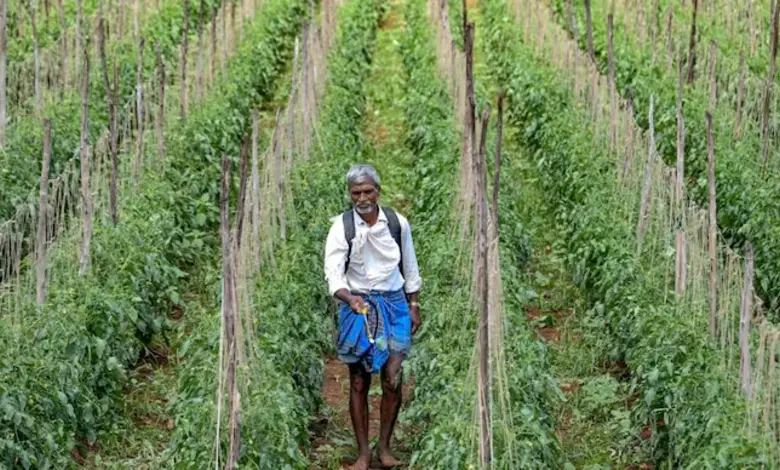
For farmers working under the blazing sun in India’s cotton belts, rice fields and vegetable farms, the danger often arrives in an unmarked cloud of spray.
Some complain of dizziness, burning eyes and breathlessness. Others suffer far worse.




Over the years, pesticide poisoning has become a recurring nightmare in India’s agricultural landscape. One of the most shocking examples unfolded in Maharashtra’s Yavatmal district in 2017, where dozens of farmers and farm labourers fell seriously ill while spraying pesticides on cotton fields. Many were hospitalized. Several died. The tragedy triggered national outrage and renewed scrutiny of the chemicals being used on Indian farms.
Yet years later, critics say the larger problem remains unresolved.
Across Europe, regulators have banned dozens of pesticides after studies linked them to serious health and environmental risks, including neurological damage, reproductive disorders, cancer concerns and ecological destruction. But some of those very substances continue to be sold in developing countries, including India.
Among the most controversial is paraquat, one of the world’s deadliest weedkillers. So toxic is the chemical that even a small amount swallowed accidentally can prove fatal. The European Union banned it years ago, citing safety concerns. Yet Indian farmers can still legally buy and use it.
Health experts have repeatedly warned that paraquat poisoning carries an extremely high fatality rate and that treatment options remain limited once exposure occurs.
Another frequently cited chemical is chlorpyrifos, an insecticide that has faced bans and restrictions in several countries over evidence linking exposure to developmental and neurological harm, especially among children. While many nations have moved away from its use, concerns persist over its continued presence in parts of the developing world.
The contradiction has fuelled accusations of a global double standard.
“If a chemical is too dangerous for European citizens, why is it considered safe enough for Indians?” That question has become increasingly difficult for governments and manufacturers to ignore.
Environmental organisations argue that companies should not be allowed to profit from exporting substances that are prohibited in their own home markets. They say developing countries often lack the regulatory capacity, monitoring systems and protective infrastructure needed to manage highly hazardous pesticides safely.
The issue extends beyond farm workers.
Scientists warn that pesticide residues can make their way into food, soil and water systems. While occasional exposure may not immediately cause illness, long-term contact with certain hazardous chemicals has been linked in scientific studies to a range of health concerns, including hormone disruption, fertility issues, neurological disorders and some cancers.
For many Indian farmers, however, the debate is not about geopolitics or regulatory loopholes. It is about survival.
Faced with crop diseases, pest attacks and shrinking profit margins, farmers often rely on powerful pesticides because they believe there are few alternatives. In many rural areas, protective equipment is expensive, training is limited and awareness of chemical risks remains low.
Manufacturers maintain that their products are sold legally and that safe usage depends on following instructions and regulatory guidelines. They also argue that pesticides remain an essential tool for protecting crops and ensuring food security.
But campaigners say legality does not automatically mean safety.
As pressure grows on governments worldwide to tighten rules around hazardous chemical exports, India finds itself at the centre of a debate that reaches far beyond agriculture. At stake is a question that touches millions of lives: should a chemical rejected in one part of the world be allowed to threaten lives in another?
Until policymakers find an answer, the fields that feed India may continue to carry a hidden cost one measured not in harvests, but in human health.
ALSO READ: Maharashtra Government Warns Traders Against Using Harmful Chemicals On Fruits And Vegetables