
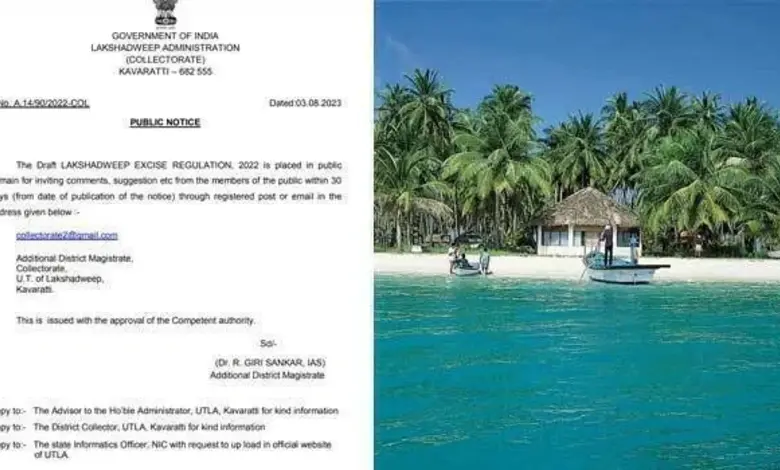
Lakshadweep , a group of picturesque island in the Arabian Sea, has traditionally maintained strict restrictions on alcohol despite being a popular tourist destination . The Union Territory, where muslims make up more than 96% of the population, has followed a prohibition policy for decades, allowing alcohol only in limited tourist areas.
That policy is now seeing a gradual shift.
The Lakshadweep administration has decided to expand the availability of alcohol at selected tourism facilities as part of its broader plan to boost visitor numbers and strengthen the local tourism industry. Officials argue that the move will help the islands compete with international beach destinations such as the Maldives, where alcohol is commonly available to tourists.
For years, liquour could be served only on Bangaram island, an uninhabited island developed specifically for tourism. Residents of inhabited islands largely remained outside the source of this arrangement. However, recent policy changes have opened the door for alcohol service at more goverment approved resorts and guest houses catering to visitors.




Supporters of the move say tourism is one of Lakshadweep’s biggest economic opportunities and that providing facilities expected by international travellers could attract more high end tourists believe a controlled and regulated system can increase revenue without significantly affecting local communities.
The decision, however, has not been without controversy. Several local leaders and community organisations have questioned the need for easing restrictions in a territory where conservative social values continue to hold strong influence. Critics argue that any expansion of alcohol sales should take into account the cultural and religious sentiments of residents.
As of now, Lakshadweep has not abandoned its prohibition framework entirely. Alcohol remains available only through authorised tourism establishments under strict regulations. The administration insists the changes are aimed at supporting tourism rather than altering the islands’ social fabric.
The debate reflects a larger question facing Lakshadweep today: how to encourage economic growth through tourism while preserving the cultural identity that makes the islands unique.