
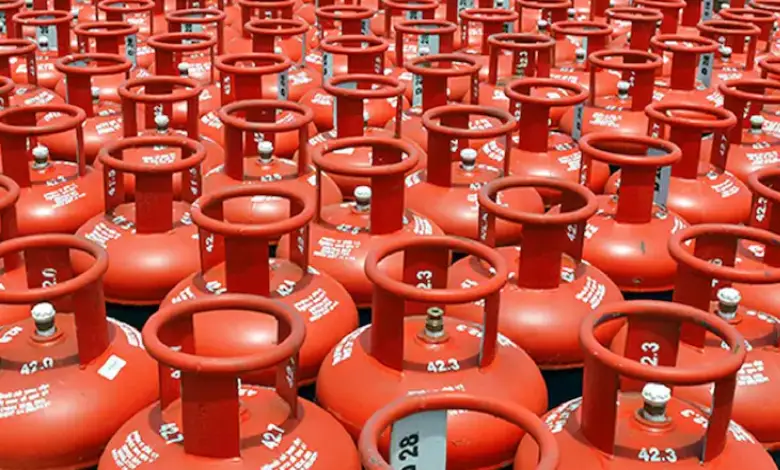
Oil marketing companies have sharply increased the price of commercial LPG cylinders by an average of Rs 993, marking the third upward revision since the onset of the Iran war on February 28. This latest adjustment comes as global energy markets continue to feel the impact of Middle East tensions.
The hike affects non-subsidised 19-kg commercial LPG cylinders used primarily by restaurants, hotels, and other businesses. In Delhi, the price has risen to Rs 3,071.50 from Rs 2,078.50 earlier. In Mumbai, it now stands at Rs 3,024, up from Rs 2,031. The increase follows an earlier rise of Rs 144 in March and nearly Rs 200 on April 1.
In contrast, prices for domestic LPG cylinders (14.2 kg) have been left untouched across major cities. Current rates remain at Rs 913 in New Delhi, Rs 939 in Kolkata, Rs 912.50 in Mumbai, Rs 928.50 in Chennai, and similarly unchanged in other cities including Gurugram, Noida, Bengaluru, Bhubaneswar, Chandigarh, Hyderabad, Jaipur, Lucknow, and Patna.
Retail prices of petrol and diesel have also been kept steady. Aviation turbine fuel (ATF) rates for domestic scheduled operations of airlines were not revised, offering some relief to the aviation sector. However, prices of premium petrol, bulk diesel, and ATF for international flights have been adjusted in line with international market trends.



ALSO READ : Trump Signals Iran Eager for Agreement Amid US Military Pressure
The decision to spare domestic consumers comes amid significant pressure on oil marketing companies (OMCs). According to an earlier, these companies are incurring daily losses of around Rs 16,000 crore as they purchase crude oil at prices exceeding $120 per barrel while selling fuels at unchanged retail rates. OMCs, including Indian Oil Corporation (Indiane), Bharat Petroleum (Bharat Gas), and Hindustan Petroleum (HP Gas), had been advocating for broader price increases after the conclusion of state assembly polls.
The government has chosen to maintain domestic LPG rates unchanged despite the ongoing Middle East crisis, which has driven up global crude costs. This approach helps shield households from immediate inflationary impact, though it adds to the fiscal burden through higher subsidy outlays on LPG and fertilisers.
Additionally, new rules for LPG cylinder bookings and deliveries come into effect from May 1. The minimum interval between bookings has been extended to 25 days in urban areas and up to 45 days in rural areas. Delivery will now require a non-negotiable Delivery Authentication Code (DAC) sent as an OTP to the customer’s registered mobile number. These changes have been implemented by the three major OMCs.
The cumulative effect of the three commercial LPG hikes is expected to raise operating costs for eateries and food businesses, potentially leading to higher prices for consumers dining out or ordering deliveries.