
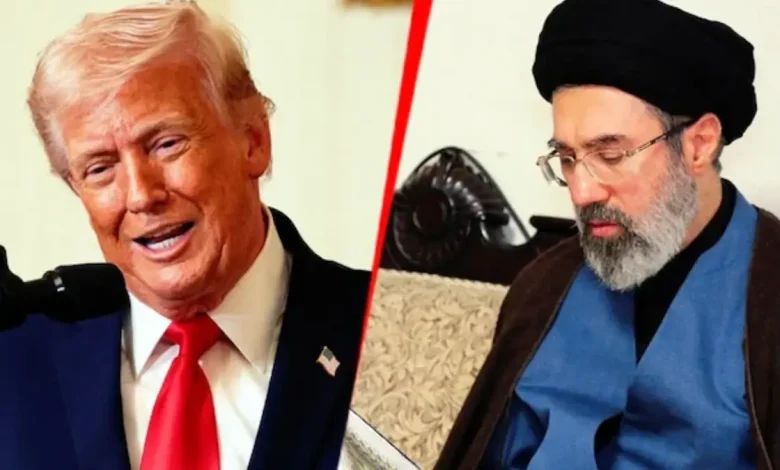
Amid fragile ceasefire efforts in the ongoing tensions between the United States and Iran, Tehran has signaled willingness to reopen the strategically vital Strait of Hormuz on specific terms. The proposal, however, faces significant doubts from the US side, particularly under President Donald Trump, who is unlikely to accept the outlined conditions.
Iranian Foreign Minister Abbas Araghchi presented the plan to regional mediators during visits to Oman and Pakistan over the weekend. The offer includes three conditions aimed at easing the current standoff. These reportedly involve the United States lifting its naval blockade of Iranian ports and postponing negotiations on Iran’s nuclear programme. The third condition was not fully detailed in available accounts but forms part of the broader framework to end the conflict and resume maritime traffic through the waterway.
The Strait of Hormuz, through which approximately one-fifth of the world’s traded oil and gas passes during peacetime, has been a focal point of the dispute. The US naval blockade seeks to restrict Iran’s oil exports and revenue, adding economic pressure on Tehran while contributing to rising global energy prices. Iran’s proposal seeks to break the deadlock by addressing the blockade and delaying nuclear discussions, potentially allowing a quicker agreement on other fronts.
ALSO READ : Iran Revives Dead Tanker To Store Crude On Water, Why Has Iran Pulled ‘Ghost ship’ Nasha Out Of Retirement?



US officials expressed skepticism when briefing The New York Times. They noted that President Trump and his national security team view the offer unfavorably, largely because it defers talks on Iran’s nuclear activities. Trump has consistently maintained that preventing Iran from acquiring nuclear weapons remains a core objective, one of the stated reasons behind the military confrontation.
In a Fox News interview on Monday, US Secretary of State Marco Rubio firmly rejected any arrangement that sidesteps the nuclear issue. “We can’t let them make a deal that excludes Iran’s nuclear programme,” Rubio stated. “We have to ensure that any deal that is made… is one that definitively prevents them from sprinting towards a nuclear weapon at any point.”
White House spokeswoman Olivia Wales reiterated that the United States would not negotiate through the press and emphasized adherence to clear red lines. “The president will only make a deal that’s good for the American people and the world,” she said. Officials indicated that discussions on the war and Iran’s enrichment efforts would continue.
The proposal has sparked internal debate within the Trump administration regarding leverage and the sustainability of economic impacts from the strait’s closure. Trump himself voiced frustration on Truth Social last week, commenting on apparent infighting within Iranian leadership between hardliners and moderates.