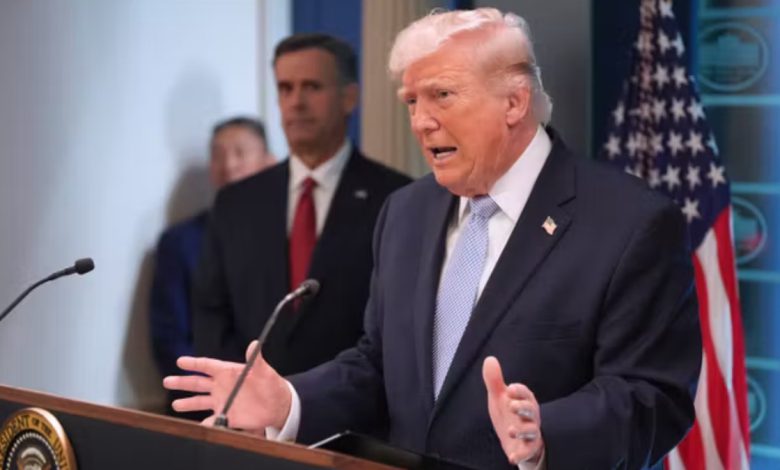
Efforts to revive diplomacy in the ongoing conflict between the United States and Iran have suffered a setback, with Tehran refusing negotiations under what it describes as military and economic pressure, while US President Donald Trump has called off a planned visit by American envoys to Pakistan.
According to Al Jazeera, Iran has reiterated that it will not engage in talks while facing a blockade and ongoing hostilities. Iranian officials have maintained that negotiations cannot take place “under siege,” signalling firm resistance to US demands amid the continuing conflict. This stance has cast further doubt on attempts to restart dialogue through mediation.
The development comes shortly after Iran’s Foreign Minister Abbas Araghchi concluded a visit to Pakistan, where he presented proposals aimed at ending the war. However, the diplomatic initiative appears to have made little progress, with no agreement reached on resuming direct negotiations.
ALSO READ : Khamenei Calls for Unity as Injury Rumours Highlight Divisions
In response, President Trump cancelled the scheduled trip of his envoys, including Steve Witkoff and Jared Kushner, to Islamabad. He indicated that Iran had not offered terms sufficient to justify further in-person discussions, suggesting that the visit would not be productive.
Other reports highlight that both sides remain entrenched in their positions. Iran has insisted that the United States must first lift its blockade before any talks can proceed, while Washington has rejected Tehran’s proposals as inadequate.
The stalled diplomacy underscores the fragility of the current ceasefire, which had been extended in hopes of creating space for negotiations. Despite earlier signs of cautious optimism, the lack of progress has heightened uncertainty over the conflict’s trajectory.
Pakistan, which has been acting as a mediator, continues to push for dialogue, but the latest developments suggest that a breakthrough remains elusive. With both Tehran and Washington maintaining hardline positions, prospects for a negotiated settlement appear increasingly uncertain, prolonging tensions in an already volatile region.