
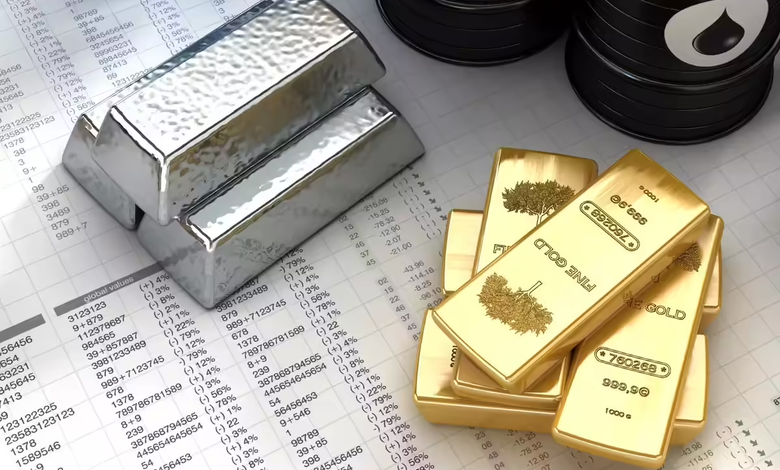
Gold and silver prices declined sharply in early trading on the Multi Commodity Exchange (MCX) on April 23, reflecting a shift in investor sentiment amid global economic pressures.
Gold prices fell by over 0.5%, while silver recorded a steeper drop of more than 2% during the session. The downturn was largely driven by profit booking after recent gains, as well as external factors influencing commodity markets.
A key factor behind the decline was the strengthening of the US dollar, which typically reduces the appeal of precious metals. Since gold and silver are priced in dollars globally, a stronger currency makes them more expensive for holders of other currencies, thereby dampening demand.
At the same time, crude oil prices moved higher, adding to inflationary concerns. Rising energy costs tend to reinforce expectations that interest rates could remain elevated for longer periods. Higher interest rates increase the opportunity cost of holding non-yielding assets such as gold, making them less attractive to investors.



The combination of a firmer dollar and surging oil prices created pressure on bullion markets, triggering selling activity. Market participants also opted to lock in profits following earlier price increases, contributing further to the decline in both gold and silver.
Recent geopolitical developments have also played a role in shaping market trends. Renewed tensions in the Middle East have supported oil prices and strengthened the dollar, indirectly weighing on precious metals.
Silver, which is generally more volatile than gold due to its dual role as both a precious and industrial metal, saw a sharper fall. The broader weakness highlights the sensitivity of bullion markets to macroeconomic cues, including currency movements, energy prices, and geopolitical risks.
Overall, the session reflected a cautious market environment, with investors reacting to global uncertainties and shifting expectations around inflation and monetary policy.