
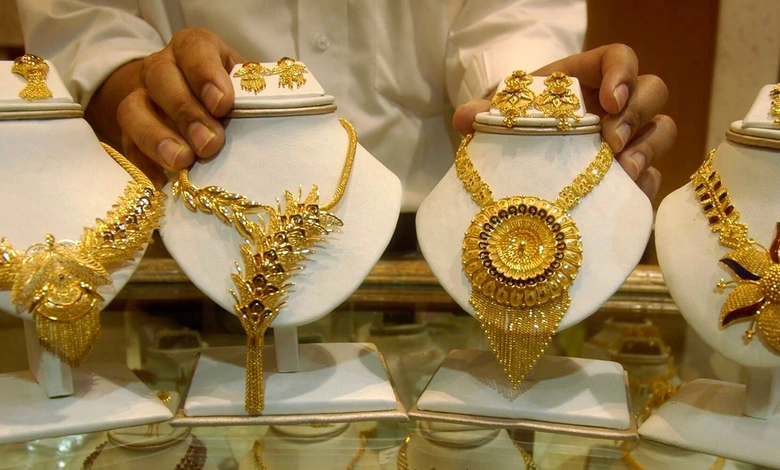
India stands as the world’s second-largest consumer of gold, with annual demand surpassing 800 tonnes over the past decade. This enduring affinity for the precious metal runs deep in the nation’s cultural fabric, where gold features prominently in festivals and family milestones. Among these occasions, Akshaya Tritiya holds special prominence as a favoured time for acquiring gold.
According to Hindu scriptures, the day marks the beginning of Satyug, the golden age of truth and virtue. One legendary account from this era describes Lord Krishna presenting Draupadi with a magical leaf that provided an endless supply of food to the Pandavas during their exile — an emblem of divine benevolence and abundance that underscores the day’s auspicious nature.
Astronomically, Akshaya Tritiya aligns with the Sun at its zenith of brilliance, positioned as the ruler of the Moon and other planets. This celestial configuration is viewed as highly favourable for launching new endeavours, including business partnerships and marriages, promising positive results and success.
Mythology further enriches the day’s significance: it commemorates the descent of the sacred River Ganga from the heavens to Earth, alongside the birth of Goddess Annapurna, the deity of nourishment. These events evoke themes of spiritual and material purity, reinforcing the occasion’s sanctity.




The very name “Akshaya” denotes “never diminishing” or eternal. Consequently, tradition holds that investments or acquisitions made on this day — particularly in gold — yield enduring wealth that does not deplete. Purchases completed under this influence are believed to invite continuous prosperity and an unbroken stream of good fortune.
Beyond its symbolic value, Akshaya Tritiya is regarded as an ideal moment to initiate ventures and financial commitments. Many view the acquisition of precious metals like gold on this date as a conduit for luck and long-term growth, amplified by the day’s positive energies.
While physical gold in the form of jewellery, coins or bars was once the primary choice, contemporary investors increasingly turn to Gold Exchange Traded Funds (ETFs). These instruments, held in dematerialised (paper) form, trade on stock exchanges much like other securities and deliver several practical benefits.
Gold ETFs provide uniform pricing across the country, eliminating the variations often seen in jewellery. Their valuations remain fully transparent, with buying and selling executed conveniently through brokers at any time. Trading occurs under the oversight of the Securities and Exchange Board of India (SEBI), ensuring regulatory protection and fairness. Moreover, investors avoid the challenges of physical storage; the holdings reside securely in a Demat account, where they can serve as collateral and be redeemed in cash or physical gold as needed.
For those seeking to capitalise on this tradition, opening a Demat account offers a straightforward entry point. The process is swift, often free of opening charges, and provides access to a range of investment avenues.
This Akshaya Tritiya presents an opportune moment to embrace a forward-looking approach to wealth creation through gold ETFs, blending age-old beliefs with modern financial convenience in pursuit of sustained prosperity.