
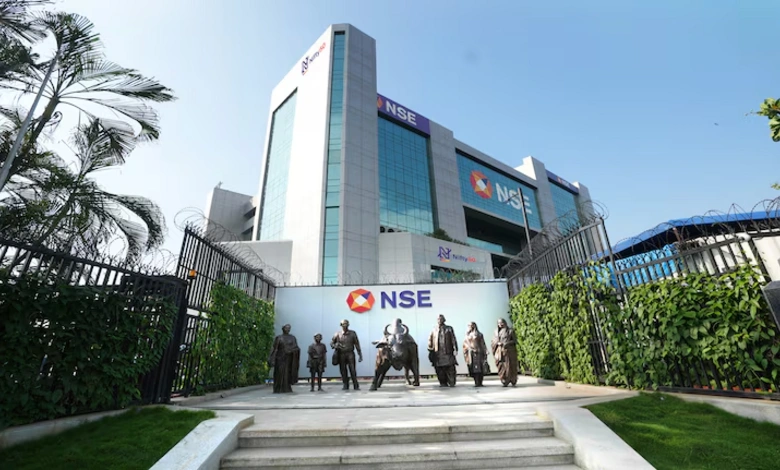
Indian equity markets will remain closed on Thursday, March 26, 2026, on account of Shri Ram Navami, according to the official holiday calendar. Both the National Stock Exchange (NSE) and the Bombay Stock Exchange (BSE) will suspend trading activities for the day, putting to rest confusion among investors over whether the holiday falls on Thursday or Friday.
As per exchange schedules, no trading will take place across equity, equity derivatives, or currency segments during the session. The closure aligns with the broader list of stock market holidays released for 2026, where Ram Navami is designated as a full trading holiday.
The holiday also contributes to a shortened trading week, which could influence market volumes and investor participation in the days surrounding the break. Reports from the reports confirmed that both benchmark exchanges will remain shut on March 26 in observance of the festival.
ALSO READ : Ram Navami 2026: When to Celebrate March 26 or 27?




Looking at the broader calendar, March 2026 features multiple trading holidays, including Holi earlier in the month and Mahavir Jayanti on March 31. This makes March one of the most holiday-heavy months for Indian markets, potentially affecting trading strategies and liquidity patterns.
Beyond March, the 2026 holiday list includes key observances such as Good Friday (April 3), Dr. B.R. Ambedkar Jayanti (April 14), Maharashtra Day (May 1), and Diwali-related holidays later in the year. These scheduled closures are part of the standard annual calendar released by the exchanges to help investors plan their activities efficiently.
Meanwhile, commodity markets follow a slightly different schedule. While equity markets remain fully closed on Ram Navami, certain commodity exchanges may operate partially, with limited trading sessions depending on the segment, as noted in media reports.
Overall, the Ram Navami holiday marks an important pause in market activity, and investors are advised to account for such non-trading days while planning their transactions and portfolio adjustments.