
Trump Postpones Strikes on Iranian Power Plants for Five Days After Claiming ‘Very Good’
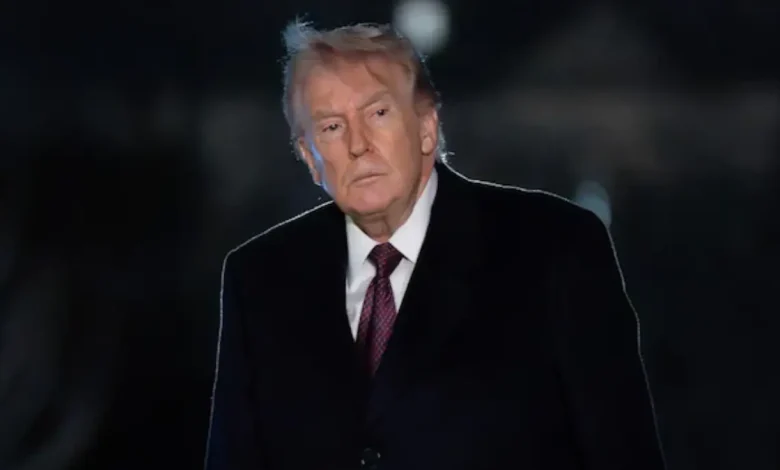
New Delhi: U.S. President Donald Trump announced on March 23, 2026, that he is delaying planned American strikes on Iranian power plants and energy infrastructure by five days, citing productive preliminary conversations between Washington and Tehran aimed at resolving the ongoing conflict in West Asia.
In a statement, Mr. Trump said U.S. envoys had engaged in “very good and productive” discussions with a “respected” Iranian leader over the previous two days. He added that Iran appeared eager to reach a comprehensive deal to end hostilities in the Middle East. The President instructed the Department of War to postpone any military action against Iranian power facilities for five days, subject to the progress of ongoing talks scheduled to continue through the week.
Iranian officials, however, firmly denied that any negotiations had taken place. The country’s Foreign Ministry spokesperson, as reported by the official IRNA news agency, rejected claims of direct talks with the U.S. in the past 24 days and asserted that Mr. Trump had stepped back following Iran’s strong warnings. Tehran had earlier threatened to mine the Strait of Hormuz and target power and water infrastructure across the region if the U.S. proceeded with attacks on its energy sector.
Israeli Prime Minister Benjamin Netanyahu confirmed he had spoken with Mr. Trump on the same day. According to Mr. Netanyahu, the U.S. President believes recent military gains by Israeli and American forces could be leveraged into a negotiated agreement that safeguards Israel’s vital interests. Mr. Netanyahu emphasised that Israel would continue operations in both Iran and Lebanon while protecting its security.




A malfunction in Israel’s David’s Sling air defence system allowed two Iranian ballistic missiles to strike southern Israel over the weekend, wounding dozens in Dimona and Arad. The Israeli military also reported striking a Revolutionary Guards site in Tehran used to direct Basij paramilitary forces.
ALSO READ : Iran Says ‘No Contact’ With US As Trump Announces Pause On Strikes Against Iranian Energy Sites
Pakistan has emerged as a key diplomatic player, with Prime Minister Shehbaz Sharif holding talks with Iranian President Masoud Pezeshkian and offering Islamabad’s assistance in promoting de-escalation and dialogue. Reports suggested Pakistan’s army chief also engaged with Mr. Trump.
Meanwhile, two India-flagged LPG carriers successfully transited the Strait of Hormuz on March 23 evening, according to India’s Ministry of Ports, Shipping and Waterways. Oil prices eased and stock markets rose amid the mixed signals from Washington and Tehran.
A loud explosion was reported in Jerusalem early on March 24 following Iranian missile alerts, though Israeli authorities confirmed no casualties. Neighbouring countries expressed relief at the temporary de-escalation over power infrastructure threats.