
Cuba Hit by Third Nationwide Blackout in Four Months, Leaving 11 Million Without Power
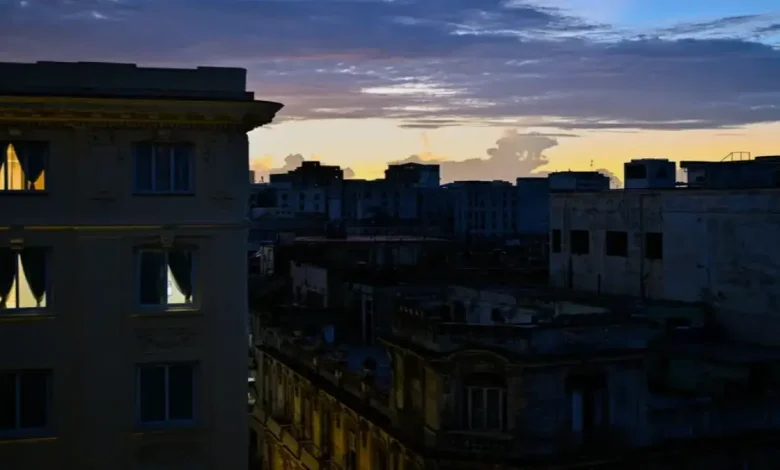
Cuban authorities announced a complete collapse of the country’s national electrical grid on Monday (March 17), plunging all 11 million residents into darkness and deepening what has become a severe and ongoing energy crisis on the island.
The Ministry of Energy and Mines confirmed on X that a “complete disconnection” of the national electrical system had occurred, adding that an investigation into the cause was underway. Notably, officials said none of the power units operating at the time had reported any technical failures before the outage struck.
Lazaro Guerra, the ministry’s electricity director, said late Monday that crews were working to gradually restart several thermoelectric plants critical to restoring power nationwide. “It must be done gradually to avoid setbacks,” Guerra said. “Because systems, when very weak, are more susceptible to failure.”
In Havana, residents were left scrambling in the dark, many turning to candles to get through the night. Yuneici Cecilia Riviaux, a local resident, described the difficult reality her family faced. “We have to prepare a mattress for the girls here so that they can sleep here because we have no choice,” she said, gesturing toward an open door. “I don’t have a rechargeable fan or a generator.”

By late Monday, state-run media reported that electricity had been partially restored to approximately 5% of Havana’s population around 42,000 customers along with several hospitals across the island. Officials indicated the communications sector would be the next priority for restoration, while cautioning that even the limited circuits brought back online remained at risk of failing again.
This is the third major blackout to hit Cuba in the span of just four months, underscoring the rapid deterioration of the country’s aging power infrastructure, which already causes frequent daily outages. The Cuban government has also attributed its energy woes partly to what it calls a U.S. energy blockade.
The blackout comes amid escalating pressure from Washington. In January, U.S. President Donald Trump warned that tariffs could be imposed on any country supplying oil to Cuba. The Trump administration has demanded that Cuba release political prisoners and undertake political and economic reforms as conditions for easing sanctions. Trump has also floated what he described as a “friendly takeover of Cuba,” saying, “I mean, whether I free it, take it. I think I could do anything I want with it,” referring to Cuba as a “very weakened nation.”
Adding to the political pressure, a U.S. official and a source familiar with ongoing discussions between Washington and Havana told reporters that the Trump administration is pushing for Cuban President Miguel Díaz-Canel to step down as negotiations over the country’s future continue. Both sources spoke on condition of anonymity given the sensitive nature of the talks and did not provide details on whom Washington might prefer as a replacement.
Their disclosures came just days after Díaz-Canel publicly acknowledged for the first time that his government had been in dialogue with the Trump administration. The push for his removal was first reported earlier Monday by The New York Times.