
India’s Textile Sector Set For Zero-Tariff Boost In US Market, Matching Bangladesh Benefits: Piyush Goyal
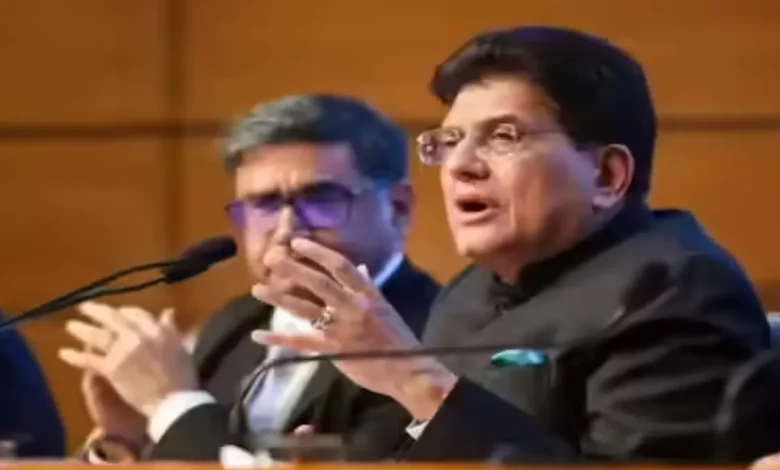
Union Commerce Minister Piyush Goyal has announced that India is poised to secure similar textile trade advantages from the United States as those granted to Bangladesh. Under the emerging bilateral arrangement, Indian garment exporters stand to gain zero-tariff access to the US market for products manufactured using American-sourced cotton or yarn.
Speaking to reporters, Goyal emphasized that the forthcoming interim trade deal with Washington will incorporate a provision allowing duty-free entry for such processed goods. He explained that, akin to Bangladesh’s existing facility, garments produced from US-origin raw materials—such as cotton yarn—would face zero reciprocal tariffs upon export to the American market.
The minister directly addressed recent criticisms, including claims by Congress leader Rahul Gandhi in Parliament suggesting Bangladesh had negotiated superior terms. Goyal dismissed these as inaccurate, stating, “He spread another lie… Just as Bangladesh has a facility that if raw material is purchased from America, then if you process it and make cloth and export it, then it will be available at zero reciprocal tariff. India also has the same facility, and India will also get it.”
ALSO READ : Trade Deal With The US Protected Indian Farmers And MSMEs Says Union Minister Piyush Goyal




He noted that while the current framework agreement and White House factsheet do not explicitly detail this clause, it will become evident in the “fine print” once the interim deal is finalized.
This development follows the recent India-US interim trade pact announcement, which includes broader tariff reductions—such as lowering reciprocal duties on Indian goods to 18% from higher levels—and the removal of certain punitive measures. Goyal highlighted potential export gains for Indian sectors, including textiles, predicting significant growth in shipments to the US and other markets like the European Union, UK, Switzerland, Norway, and Australia.
The minister also countered concerns over agricultural concessions, asserting that Indian farmers, fishermen, MSME workers, and artisans would benefit from expanded export opportunities rather than face disadvantages.