
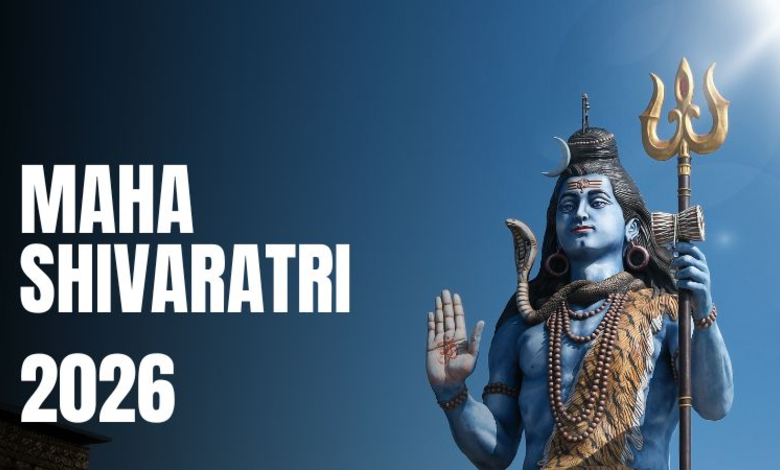
Mahashivratri, one of Hinduism’s most sacred festivals dedicated to Lord Shiva, will be celebrated this year on 15 February 2026, according to the Hindu lunar calendar. The observance falls on the Chaturdashi tithi of the Falgun month and devotees traditionally undertake a nirjala (waterless) fast and perform worship throughout the night to honour Shiva. The festival’s rituals and auspicious timings are believed to enhance spiritual merit and fulfil devotees’ wishes.
This year’s Mahashivratri falls on a Sunday, with the Chaturdashi tithi beginning on the evening at 5:04 PM of 15 February. Because the tithi extends into the night and early hours of 16 February at 5.34 PM , the fast is observed on the 15th, while the nishita kaal puja considered the most potent period for Shiva worship takes place late at night into the early morning hours.
Also read : PAN Rules Likely To Change, Higher Limits Planned For Cash Deals
Puja & Ritual Timings:
Night Puja – traditional periods for worship:

- First Prahar: 6:11 PM to 9:23 PM (Feb 15)
- Second Prahar: 9:23 PM to 12:35 AM (into Feb 16)
- Third Prahar: 12:35 AM to 3:47 AM
- Fourth Prahar: 3:47 AM to 6:59 AM
Most Auspicious Time (Nishit Kaal)
Nishita Kaal Puja:12:09 AM to 1:01 AM on February 16, 2026
This midnight period is widely regarded as the most powerful and spiritually significant time for offering prayers and performing Shiva Lingam Abhishek on Mahashivratri.
Rituals :
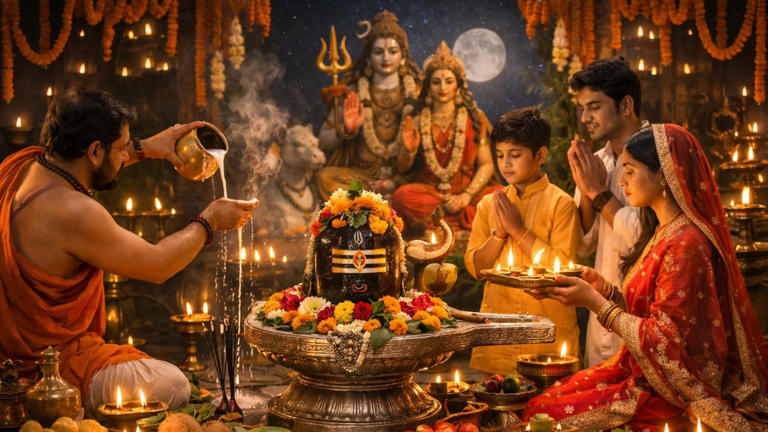
A central part of Mahashivratri devotion is offering Bilwa (Bel) leaves to Lord Shiva, which scriptures state are essential for a successful puja. Devotees also present aromatic offerings and ritually bathe the Shivalinga with water, milk, and other sacred substances. Traditional worship may include Rudrabhishek, where the deity is anointed with milk, curd, ghee, honey and sugar, followed by devotional dressing and incense rites.
Astrological factors such as Bhadra yog and specific planetary alignments on the day add to the belief that prayers offered during Mahashivratri are especially auspicious. Many devotees observe the festival by performing four sessions of worship throughout the night, offering items including fragrant flowers, incense and sacred ash.
The festival’s significance is rooted in Hindu tradition, where Mahashivratri commemorates the eternal union of Lord Shiva and Goddess Parvati and is seen as a powerful occasion for spiritual reflection, penance and seeking divine blessings.
Also read : A Nation Without Curtains: Know The Cultural Roots Behind Dutch Homes