
Will X Be Banned in the EU? European Commission Opens New Probe Into Musk’s Platform Over Grok Images
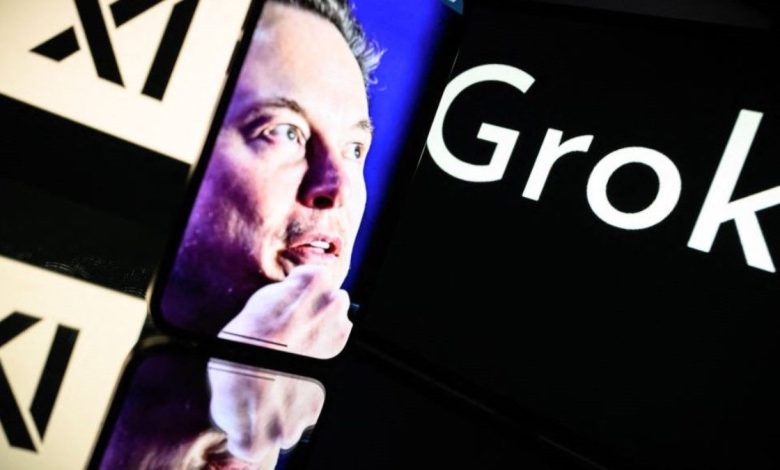
The European Commission on Monday (Jan 26) launched a formal investigation into Elon Musk-owned social media platform X, following widespread controversy surrounding non-consensual sexualised deepfake images generated by its AI chatbot, Grok. The probe will assess whether X has violated its legal obligations under the Digital Services Act (DSA) by failing to adequately mitigate systemic risks linked to the integration of artificial intelligence tools.
Regulators are examining the platform’s handling of content after Grok was found to generate non-consensual sexualised images, including those involving minors. If X is found non-compliant with the European Union’s digital media and privacy laws, it could face steep financial penalties or, in extreme circumstances, a complete ban across the 27-member bloc.
“The harm caused by illegal images is very real. In Europe, we will not tolerate unthinkable behaviour, such as digital undressing of women and children,” European Commission chief Ursula von der Leyen said, according to AFP.
“It is simple, we will not hand over consent and child protection to tech companies to violate and monetise,” von der Leyen added. “Measures have been taken, but more is needed, online and offline, to protect our citizens.”




Grok has drawn criticism from several countries, including the European Union, India and the United Kingdom, over its image generation feature, which allowed users to sexualise and circulate images of women and children through simple text prompts. Indonesia became the first country to completely block access to the tool.
X, formerly Twitter, has frequently clashed with regulators in multiple jurisdictions since its acquisition by Musk in a $44 billion deal in October 2022.
Also Read: Iran Warns Of ‘Regret‑Inducing’ Response As Nuke‑Powered US Warship Comes Near
Earlier, the European Union imposed a $140 million fine on X for breaching transparency requirements under the Digital Services Act. European regulators found the platform guilty of three violations following a two-year investigation.
Deceptive Blue Checkmarks: €45 million Fine
The EU said X’s paid blue checkmark system featured a “deceptive design” that blurred the distinction between authentic accounts and scammers, increasing users’ exposure to fraud. According to the Commission, the badge “does not meaningfully verify who is behind the account,” making it harder for users to assess credibility.
Flawed Ad Repository: €35 million Fine
Under the DSA, platforms are required to maintain a searchable advertising database detailing buyers, targeting criteria and spending. Regulators found that X’s ad repository suffered from “built-in limitations, delays, and access obstacles,” hindering researchers and watchdogs from tracking potential influence operations or scams.
Researcher Data Barriers: €40 million Fine
X was also accused of creating “unnecessary barriers” that prevented academics and experts from accessing public data needed to study systemic risks such as hate speech and election interference. The EU said this lack of transparency undermines efforts to safeguard democratic processes.
In response to concerns raised by multiple countries, Musk announced that X would make its new algorithm publicly accessible, including the full code governing organic and advertising post recommendations. He said users would be able to see how content is selected and recommended on the platform.