
Trump Asserts Ultimate Control Over Venezuela After Maduro’s Capture, Rejects Inner Circle Deal
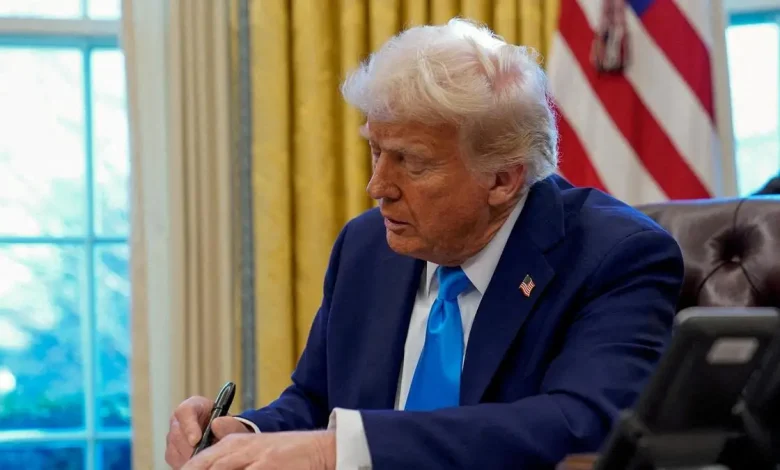
Washington — President Donald Trump stated on Monday that he personally holds ultimate authority over Venezuela following the removal of Nicolás Maduro, while revealing that his administration opted against any agreement involving the ousted leader’s close allies.
In an interview, Trump described a team of key officials — including Secretary of State Marco Rubio, Vice President JD Vance, Defense Secretary Pete Hegseth, and deputy White House chief of staff Stephen Miller — as providing expertise to guide U.S. involvement in the country. “It’s a group of all. They have expertise, different expertise,” Trump said. When asked directly who is in charge of Venezuela, he replied succinctly: “Me.” (AP/Reuters)
Trump disclosed that opportunities existed to strike a deal with Venezuelan officials for Maduro’s ouster but his team chose to proceed without relying on the former president’s inner circle.
The comments follow a U.S. military operation in Caracas two days earlier that resulted in Maduro and his wife being detained and transported to the United States. The 63-year-old Maduro appeared in a New York federal court on Monday, pleading not guilty to four charges, including narco-terrorism conspiracy, cocaine importation, and possession of machine guns and destructive devices.
ALSO READ : Gunfire Erupts Near Venezuelan Presidential Palace Amid Post-Maduro Unrest
With Maduro removed, Vice President Delcy Rodriguez has assumed interim leadership in Venezuela.
Trump emphasized that immediate elections are not feasible, stating the nation must first be stabilized. “You can’t have an election. There’s no way the people could even vote,” he told NBC News. “We have to nurse the country back to health,” adding that significant time will be required.
White House chief of staff Stephen Miller announced that Trump has tasked Rubio with overseeing economic and political reforms in Venezuela under the president’s direct oversight. Miller described a collaborative team effort involving energy, finance, and military experts.
According to Bloomberg, Miller highlighted full cooperation from Caracas’ interim government, predicting economic gains for Venezuelans and substantial benefits for U.S. security and military interests.
Rubio, however, has tempered suggestions of direct U.S. governance, stressing influence through economic pressure and potential further action rather than day-to-day administration.
Trump clarified that the U.S. is not at war with Venezuela but warned of possible additional operations if cooperation ceases, though he expressed confidence it would not be needed. He dismissed any link between opposition figure Maria Corina Machado’s Nobel Peace Prize and decisions on Venezuela’s future leadership.