
How Did Maduro Evade Capture For So Long? The Cuban Advisers, SEBIN Agents & Presidential Guard Explained
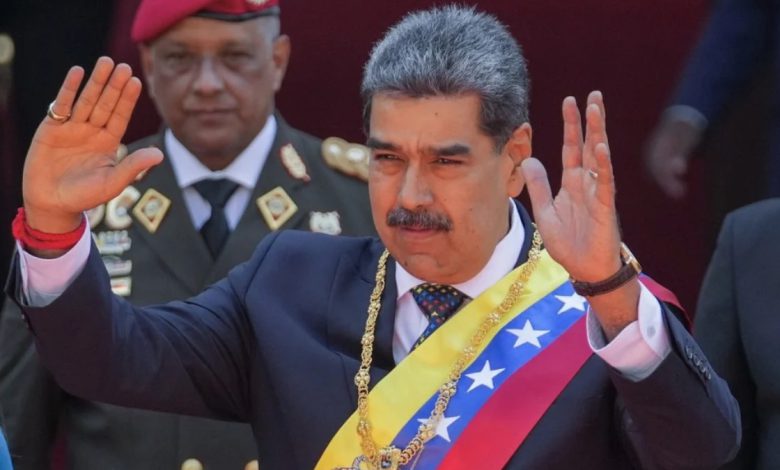
US military forces launched large-scale strikes in Venezuela on Saturday and apprehended President Nicolás Maduro along with his wife Cilia Flores in Caracas before flying them out of the country. Washington has pursued Maduro’s arrest for years, with a US court accusing him of narco-terrorism. American authorities placed a bounty on Maduro in 2020, which the Trump administration doubled to $50 million in 2025 for information leading to his capture.
For years, Maduro successfully evaded assassination attempts and capture efforts through a multi-layered security network staffed by highly trained and heavily armed personnel. On Saturday, however, the Delta Force, an elite US Army unit, finally apprehended him.
President Donald Trump confirmed the operation succeeded due to meticulous planning and coordination across multiple branches of the armed forces and intelligence community. “A lot of good planning and a lot of great, great troops and great people,” Trump stated, according to the New York Times.
Maduro’s Security Architecture
Maduro operated under one of the world’s most fortified security systems, shaped by over a decade of ideological confrontation with Washington and allegations of involvement in narco-terrorism targeting the United States.
His innermost security layer consisted of the Presidential Honour Guard (Guardia de Honour Presidencial), an elite unit tasked with close protection at Miraflores Palace, official residences and public appearances. This force answers directly to the presidency and functions outside regular police command structures.
Intelligence support came from the Bolivarian National Intelligence Service (SEBIN), which handled counter-intelligence, surveillance, threat assessment and internal security operations. SEBIN played a central role in detecting assassination plots and eliminating political threats.
The Bolivarian National Guard (GNB) and National Bolivarian Armed Forces (FANB) formed the outer security perimeter, managing routes, airspace and venue security during presidential movements. Military detachments regularly accompanied Maduro’s motorcades and locked down strategic sites.
Maduro also depended on Cuban security and intelligence consultants, a partnership established during Hugo Chávez’s presidency. These advisers reportedly contributed to intelligence evaluation, personal protection strategies and counter-espionage, though Caracas never officially acknowledged their presence.
Read More: Trump Claims US Captured Maduro And Wife in Strikes On Venezuela After Caracas Blasts
Following a 2018 drone assassination attempt, Maduro dramatically enhanced security protocols. New measures included electronic counter-drone technology, restricted airspace zones, constantly shifting travel routes and severely limited public engagements.